Monday 21st March
Jill Eggleton Writing Course
Link to oral language - you have to have great oral language in order to write well.
To teach writing well we need to
Know our learners
Know how to teach
Know something about writing
Ask ch to identify their best pieces of writing - and why?
Then need
Good written sight vocab
Mastery of how to form letters
Good oral language
About to put thoughts on paper before being concerned about genre or text types
What and How?
What do I have to teach?
How will I achieve?
What do ch need to achieve?
How will I assess?
What is important?
Balanced programme
Examine craft
Of writers
Develop and extend vocab
Other stuff she flicked over far to far
What specific objectives?
Beginning, progressing, advancing
Need to know where you are going...
Writing Approaches
Shared writing at all levels - from a common or shared experience - something we did together so everyone had the same experience eg not my birthday, although we all had one, everyone had a different experience. Could be an illustration or photo cos we can all see it.
Level 1 - look at this photo (lion) talk to your partner - ask questions re senses - If you could touch him what would he feel like etc.
Use the metalanguage of writing - Who is our reader / audience What is our reason / purpose etc
Say a sentence about what you can see. That is a sentence - can we add more detail.
Level 2 - topic, audience, purpose - photo to help remind us - Hook our readers in - with a partner think of a great hook in sentence - lets hear some - when you choose one you need to give a reason why you chose it (short, precise, shows not tells)
Keep lesson short 15 mins
Decide what part of writing is main focus (opening hook, body of textm conclusion, recrafting, editing, proof reading)
Proof reading is punctuation and spelling
Only do when a common experience happens (not every week)
Guided writing
When they are writing independently
Level 1 - I can see... I like.... What is your topic? Talk what happens. Which bit are you going to write about (don’t want it all) Next time.... Then move on to someone else, come back to them at end.
Level 2 - you said.... How can you show not tell your readers.... How can you re-craft that to show not tell. Can you be more specific so we can paint the best picture for your reader. Can you use a stronger word.
MIrror Writing - only for Level 1B, often ESOL - kick start of having trouble getting started.
Modelled Writing
Major instructional strategy
Need to think aloud
Whole class together - tell them something eg a story that happened to you
Then send away two groups
Keep one group - going to model for this group a piece of the story I have just told them.
I am going to write about... That’s my topic. I’m using something that happened to me as an idea. I am going to write it for you because I feel it is funny (topic, audience, purpose)
I’m going to make a quick plan (wind, hat, road) of the main things I am going to write about.
Say the whole chunk of language that you are going to write - the whole sentence - so they have what they are going to write in their head.
Discuss HF words, spaces, beginning sounds etc (stuff from progressions)
What will I write - My hat went onto the road - No I will craft that again - My hat went floating onto the road - Now you have a better picture of what happened.
On the progression do as many of the things as you can - use the language audience, recraft, etc etc
Sometimes it helps to have a title first, sometimes it comes at the end. Can help keep them focused.
With level 1p make mistakes in high frequency words for them to notice. Must be something they can recognise.
Tell them out loud the strategies of what a writer does.
A bus ran over my hat and took my hat away - tell that that it is two ideas and we are joining them together.
Read writing to see if it makes sense.
I need to check my spelling - Underline the words that are spelt wrong
Level 1a - introduce show not tell - my coat was flapping like a sail - tell they that is simile - introducing some imagery
Tell them we need to add some detail.
Talk about using different sentence beginnings
Simple sentences at 1b
Simple and compound at 1p
Simple, compound and complex at 1a
At level 1a we are editing and recrafting our writing - they need to change a word or add other words - they will not do it unless we model it
Proof reading for full stops and capital letters
Then finding words in dictionary
Personal experiences, descriptions of places and people,
Use techniques
Show not tell - to give the readers a picture in their head, clues as to how I was feeling
Moment in time - Tell them a story and then write about a moment in time - a small part of the story eg the spider landing on my face. Good to focus your writing - need to use senses -
Metalanguage of Writing
Modelling for Level 2/3
Through guided reading - teache
Observing us modelling
Examine the craft of writer using author models
Two kinds of reading
Reading like a reader
Reading like a writer - what techniques have been used to get the message across - what genre has been used?
Eg narrative, intro, setting, characters, imagery, problem, solution,
Personal narrative, descriptive, persuasive, explanation etc
Expose them to different text types and different features within those different text types.
Observe the teacher modelling
Establish a prewritten example - topic, purpose, audience, form - authentic
I want to tell you what happened to me personally so I used the structure of a personal narrative
Plan appropriate to text for,
Pre written example
Talk about the features - who, when, where, events in order, conclusion
First person, pronouns, tense
Check what I have used - deeper features - simple sentence, compound, complex, strong verb, sense of sight, specific noun etc etc
What could I have done better? How could I make my writing better for my readers? Imagery, all senses, strong verbs etc
Few writers express themselves well in their first draft
Edit / re-craft - add/change/delete - there is no great writing, only great re-writing
Hearing, what was it doing, specific verbs, I felt excited - I felt my heart fluttering
The draft is up there and you show them how they can recraft to make it better.
Proof reading - spelling and punctuation
I want to find out how stars are found. I decided to write and explain to you how they are formed.
Teach them the structures through guided reading, reading like a writer
Examine the craft of the writer closely using author models - look at the handout.
Dr Ronco
Give them the text and a highlighted and get them to highlight / underline the parts that make you think the writer is doing something.
Collect samples of other good writing
Study writing you admire
Poem - be specific
Level 2/3 list of metalanguage of writing - we need to model it
Independent Writing
Level 1 - Jill has books of everything she thinks is important
Class together - teacher gives message
Teacher models to one group - others away
As you finish modelling, bring the independent children back one at a time.
Tell me about your plan - give feedback
Tell me what your writing says -
Acknowledge the message - use some of the language that she has used
Highlight the strengths
Then write what she has said underneath her writing, that is very clear. In very clear writing - letter formation
Get child to read back the writing
Go to goals chart and give her ticks
What are your next steps?
Highlight the strengths verbally
No need to tick
Don’t teach them to put brackets around the mistakes
If you write anything on the bottom it should be something about the message.
Stickers - could do stickers to show achievement
The bribe can become the focus, not the desired change
Can see from the goals when they are ready to move on.
We don’t want pages and pages of drivel - but we do want a reasonable amount - so encourage for three sentences.
Little steps - when children write one long sentences across whole page they need to be taken right back.
1a
Tell me about your plan
Read me your writing
Feedback about the message - make sure you use his language
I like the strengths - detail about the car, punctuation, need to link these to the goals in the back.
Go through the goals - some of the goals you need to establish orally
Needs to know that good writing contains different types of sentences
Should he have added more detail/ As the reader is there anything you want to know? Why is the motor different to other ones? You could have added that in here - show him how he could have added it.
Needs lot of modelling for how to sequence our writing and put together our ideas in different ways
No evidence of recrafting his work
Just need some evidence of rewriting - eg cross out turn and write twirl above.
Level 2
Draft book, goal sheet, writing forms, writers tool box,
Go through goal sheet at back
Personal narrative - ideas appropriate
Supports ideas with detail - is there a place where she doesn’t - you have a question
Puppy - needs specific detail / noun about what the dog was.
We can hear the personal voice
Could have used some stronger verbs
Did she use show not tell - she cried and cried - could have used show not tell
Did she use a moment in time?
Re-crafted a little bit but not enough
(we tend to expect them to write too much so don’t get to the recrafting)
Don’t let them go on. We need to take them back to fill the holes.
MOment in time - put a magnifying glass over - find the part that was the most exciting/challenging/boring and write only about that bit.
How do we make them better
Discussion and conversation
Rich variety of texts read to them every day
Make poetry a daily focus - rhythm of language and power of words
Print rich environment
Model for them
Guide them
Give feedback - acknowledge the message
Publish regularly
There are basic skills we need to have
But most importantly they need to enjoy the writing process.
Organisation
1b and 1p
3 groups
Begin with whole class together 5 min teacher talk - tell them about something
Group 1 model to
Groups 2 and 3 go away
They go to their partner and tell them what their writing topic is. (2 mins) ring bell and they swap
Routine is impt
Green group Go off to write independently. Then go to plastic pots where there are word work and spelling activities - 1 child per pot.
Purple group - publishing group - talk to buddy - illustrate publishing, write independently, plastic pot activities
Orange group - working with teacher modeling - students then talk to teach and tell them what their topic and audience is. Keep some cards for ideas for students to write about in case they have no ideas. They write independently and then do plastic pots
You conference with green group 1:1
Do not conference the ones they are modelling for
Then come back together for 5 mins sharing time
The group that have had conferences with you will be publishing the next day.
Options - shared writing can replace the teacher model any day a common experience makes it appropriate
Guided writing can replace the teacher modelling or the conferences on any day - but not every day or every week
Mirrored writing can replace teacher modelling if appropriate but not for too long.
1a
Class together teacher talk
2 groups away keep one for modelling
Conference with conferencing group
Independent writers Write using writing steps card - they might only get part of this
Publishing one piece of writing per week (illustrating)
Level 2/3
Read to them a rich piece of writing
Send some away to write independently
Keep one group to work with
Groupings are fluid
The WALT is not quite so bad - different groups need different walts
Eg examining or observing the craft of the writer
Ask yourself who/who/how
Plan your writing
Draft your writing
Ask yourself - have i said all i want to say, if there anything i should add/take out does anything need changing, does my writing have the characteristics
Ask yourself have i used correct punctuation, are there any words i need to check for spelling
Teacher / student conferencing - try to get to them all every week
Sharing time - timetable for them to share their piece of published writing
Writers need to see the effect of their writing on the faces of their peers
Publish once every 3 weeks - one in every 8 pieces of writing approx
Strict routine and stick to it.
Visual planning - helps students focus on topic and main ideas, labelling becomes a detail in writing, helps it become richer
Planning - quick sketch of the main ideas.- not doing a picture
Next stage fdo it in sequence (3 bits)
Next stage plan according to the text form you are going to use.
Publishing - provides a purpose for the writer.
Needs reactions of other human beings
L1b
Booklet - on the computer - child illustrates - at end of writing time, anyone who has published writing, teacher says this is Anna's writing - it is about alice - teacher reads it - who has a comment - they say something about the content. She takes it home. It comes back and gets stuck in a scrapbook.
Children can do it through digital tools if you want to.
Published work on a sheet - comment sheet stuck to the bottom - teacher writes the first written comment - students are encouraged to write comments to the writer. Writer is so proud of the comments that have been put on the bottom.
Jill tends to type them up. They can do so - but if it becomes a boring task then don’t - we don’t want to turn them off writing. Anything that is published needs to be correct. Anything in a book that others read - needs to be correct - in the back can be a reader's response sheet. Published writing goes home - mum and dad make the first comment on the reader's response sheet -
Sheena Cameron publishing book is recommended
As is Gail Loanes book
What do good writers need?
Ideas
Experiences -
Imagination - reading, talking, language, other peoples writing
To use their senses - closely observant in the environment - and art and painting and buildings - look with seeing eyes - notice, wonder and record
Observing - lots of stuff
Instead of writing about that - why not write to them.
Tap into their memories
Encourage their writing ideas - authors notebook
Have an idea box - got loads of stuff in - shells etc
Photos on cards
Stuff cut out from newspaper - photos - put questions on for them to think about
Moving images - literacy shed - good at the beginning
Fairy tales and nursery rhymes - how did the mice get blind? Humpty get on the wasll
Questions for writings
Is the tops
Something you know about
Someting you can describe in detail
Will your audience think it is worthwhile reading
Title - should invite you to come on in
Purpose
What situations make you want to write - real situations
Real reasons
Audience
Is important
Tooth fairy
Santa
Notes to each other
Voice
Writer revealed from inside out.
Begin books in the classroom for students to add examples as they find them
Painting pictures with words
Adjectives
Strong verbs
Activating nouns
Specific nouns
Good example of show don’t tell
Sentences that make you tingle
Give kids examples of text forms when they are ready - models of structure and features
Back of key links - laminate and put in a box
Planning an informational report etc
Important things to think about
Ideas and content and reason for writing
Own topic - something they find impt and know about
Select idea, narrow and develop and add info
Organisation is impt - hook - details work like stepping stones - getting closer to main idea
Add detail by adding detail
Think about reader and write as if they are standing right next to you,
Good writers do good short sentences
Read writing aloud and listen to rhythm of language
Specific detail helps reader picture
Think brief, sharp, exciting
Strong verb
Choose words that fizz
Write with bite - smash not hit
Specific nouns are better than a list of adjectives
Conventions are a way to make meaning
Don’t teach grammar in isolation
Got to practice - practice requires time
No single strategy works for all students
Modelled writing and independent writing is most important
Writing comes from life's experiences
Topic
audience
Purpose
plan
Main ideas
Sequence
Only teach structure and features when foundation has been understood - level 2
Students need to care about their readers
Showing posts with label PD. Show all posts
Showing posts with label PD. Show all posts
Friday, 23 August 2019

Monday, 8 October 2018
Athletics
Emma PD 29.08.17
Sessions..
-game warm up with skill included.
-mobility (leg swings, shoulder rolls etc)
-skill
-implement skill
-warm down
-stretches

Running
Straight vs zigzag.. children to critique each other.
Which was faster?
Ome hands behind back one hands in front. Which was easier?
Run heavy vs run light!
Long strides vs short
Head- still straight
Torso- upright, slightly forward. Michael Jackson tilt
Pelvis comfy
Arms- 90 deg
Running swing in shoulders (back down and relaxed)
Hold crisp in fingers vs clenched fist
Marching..
Arms bent, arms op knee, cheek to cheek. Drum behind them hit drum with bent arm.
Shouldn't hear feet on ground.
Sprint.. on ball on feet
Long distance.. slightly back further.
Starts
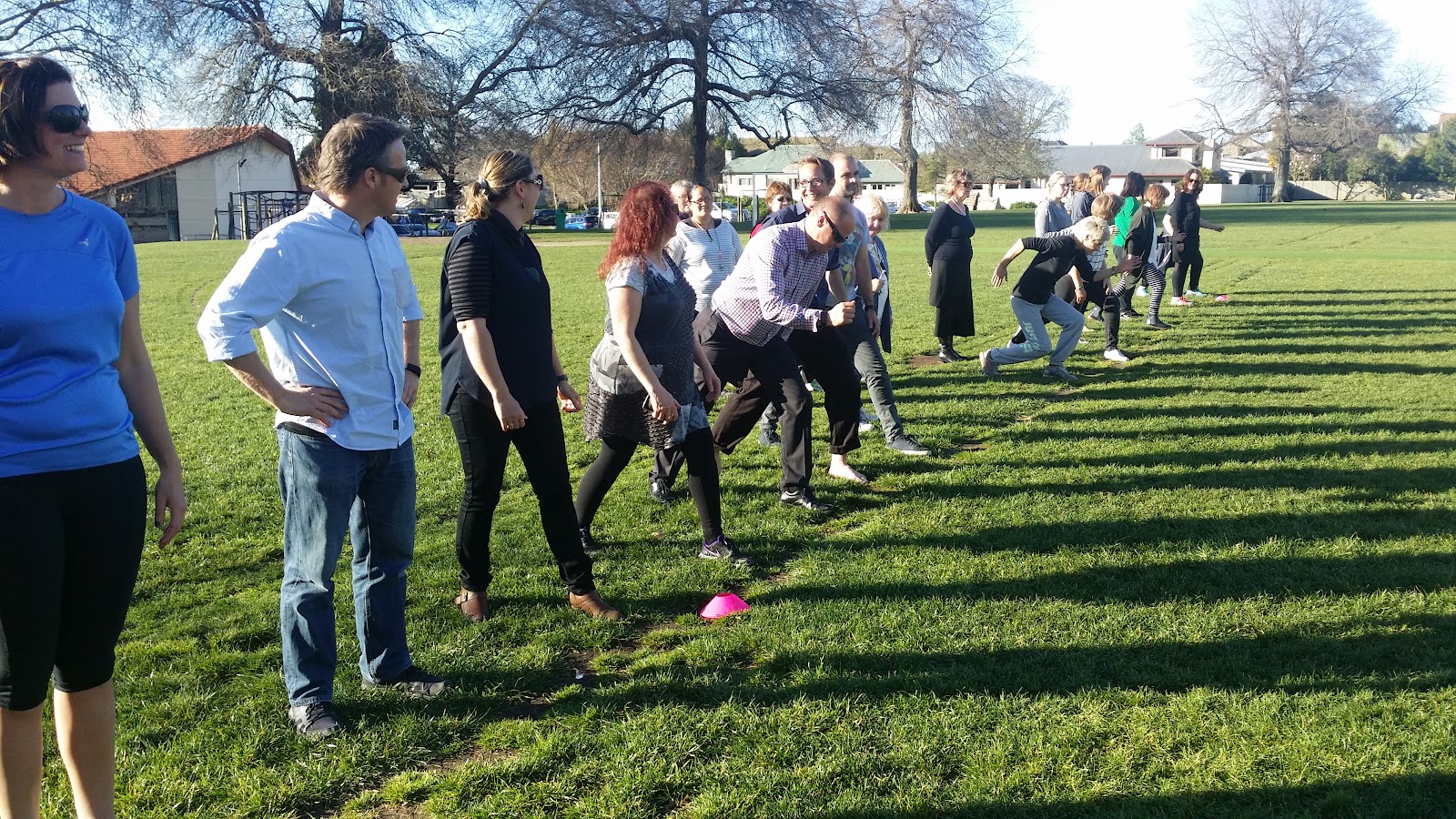
Take your marks, set, (stand behind the runners) clap..
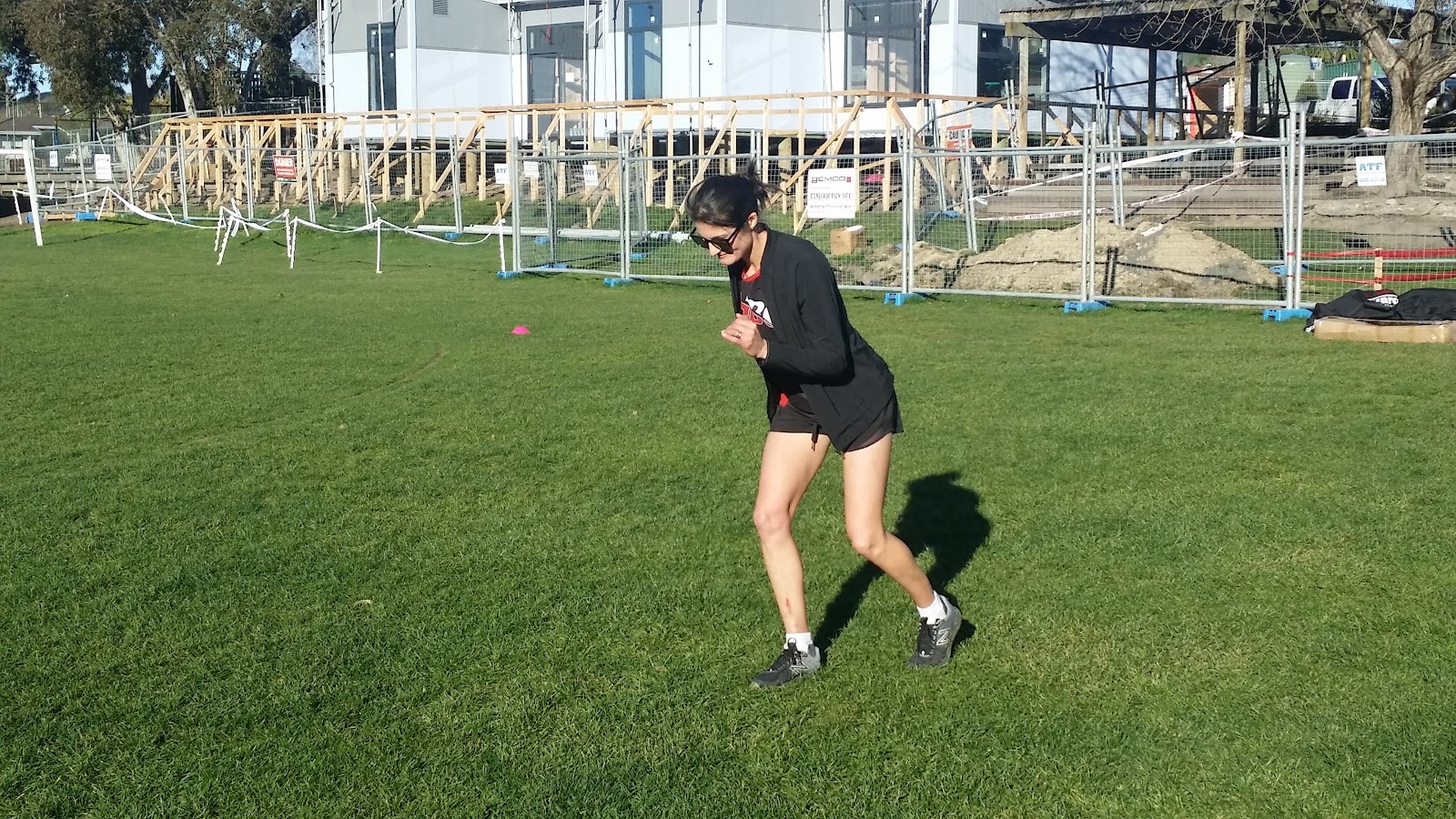
Make children practise starts on both sides.
Relays…
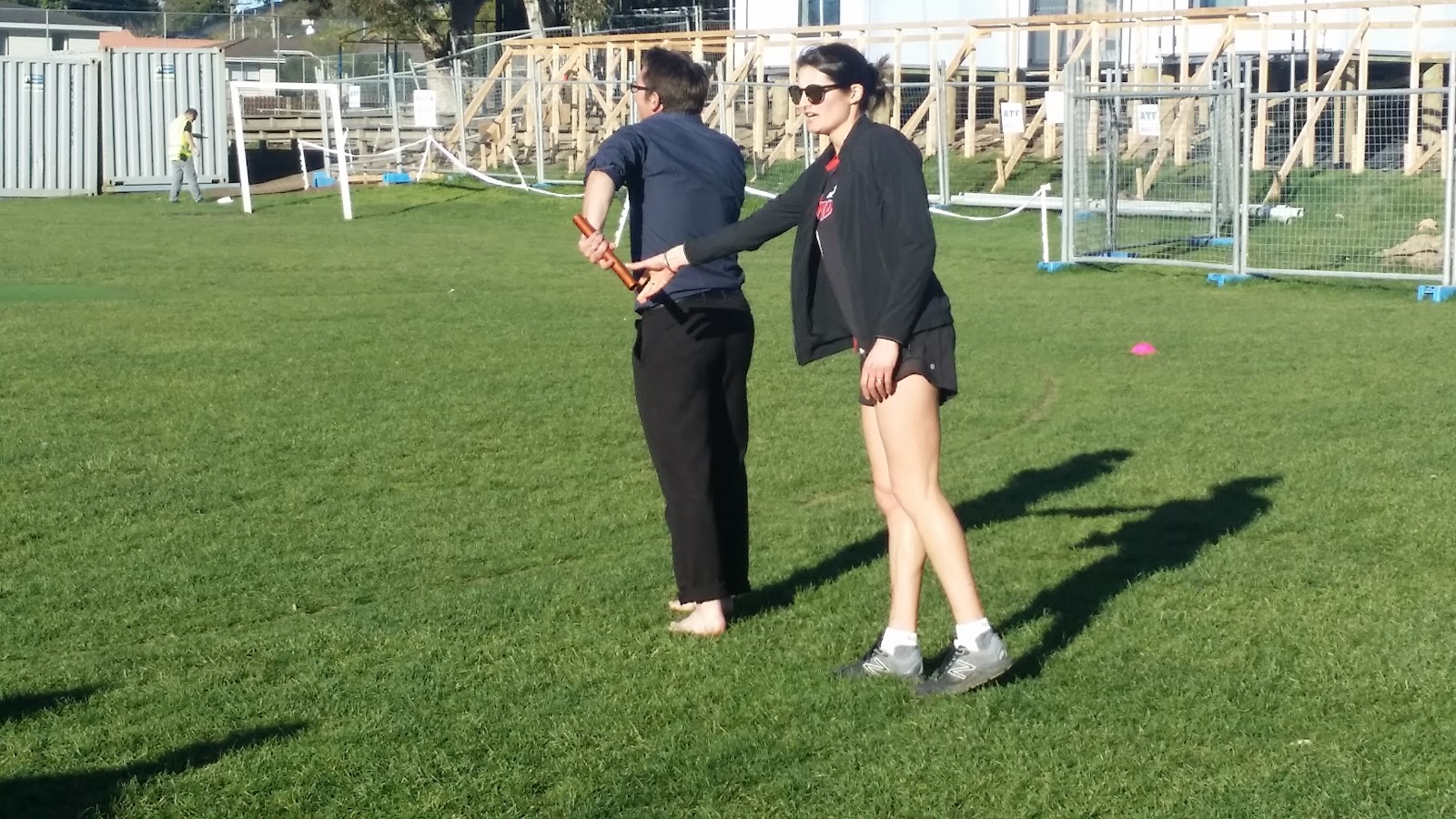
Push batton - not place it up or down

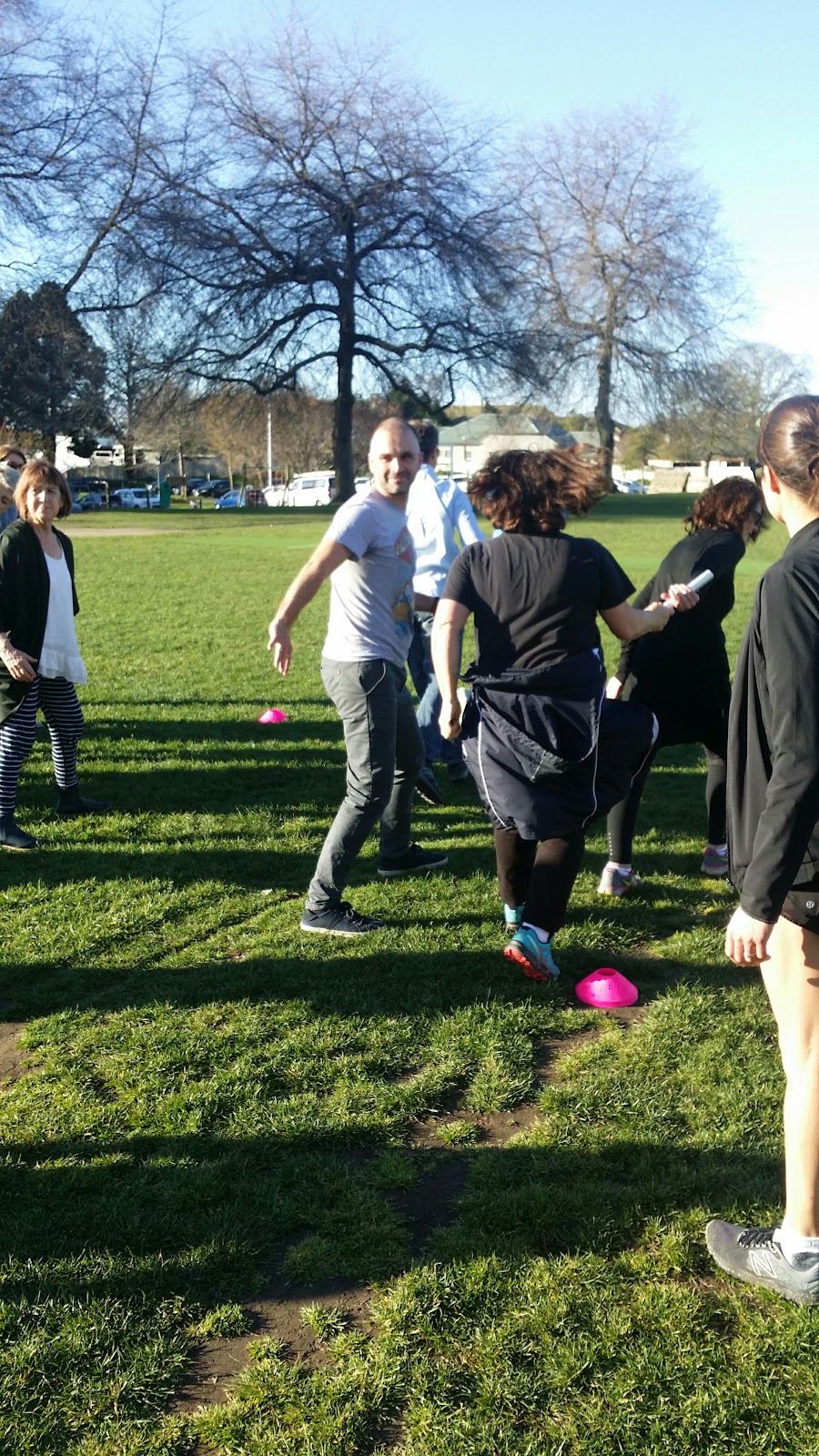
Groups of 4.. running arms. One two three hands.. push batton. Through team.
Last person drops batton and team walks forward and go again.
Last person drops batton and team walks forward and go again.

Set up a coned change over area.
Don't look behind!!!! Arm back, fingers down, push into their hand at top.
Jumping..
Land bent knees on a motorbike.
Get kids to jump forward straight legs.. then bent legs land on motorbike.
Jump from 2 feet.. hands behind back. Bent knees and landing. Step back this time use arms.
Difference? Which is better? Get kids to try it and see which is better.
Difference? Which is better? Get kids to try it and see which is better.
Take a step then jump off one foot land on two feet. Is it easier to land with feet wider or close together?
Get kids to take off on both sides..

Station 1: standing jump
Station 2: 1 step then jump
Station 3: run up then jump
Hoops, skipping rope and a river jump different widths,
Practise the drive up. Standing jump for height. Arms swing through then drive knee up.
Land on 2. Knee should get up to hip height.
Land on 2. Knee should get up to hip height.
Have a target to jump up for height.. jump to reach.
Kids should be sissoring up to their arm pit height and then they can flop.
Use a line.. scissor one way then back the other.
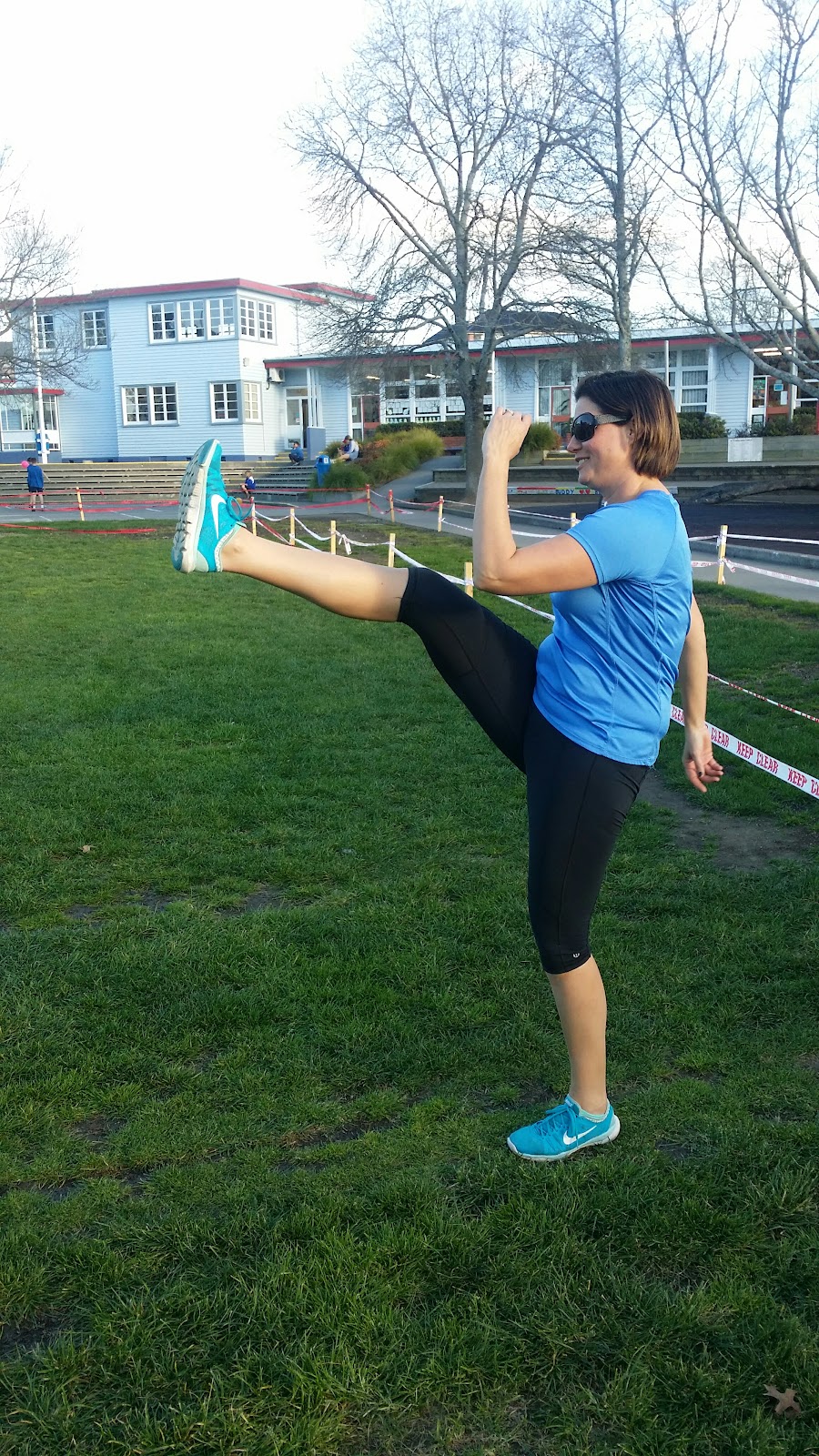
Use hurdles to get kids practising over.


Hurdles should fall forward when using them correctly.
Practise with a line of hurdles.. children zig zag over the hurdles practising the scissor.
Triple jump
Hop, step and jump
Warm up- hopscotch.
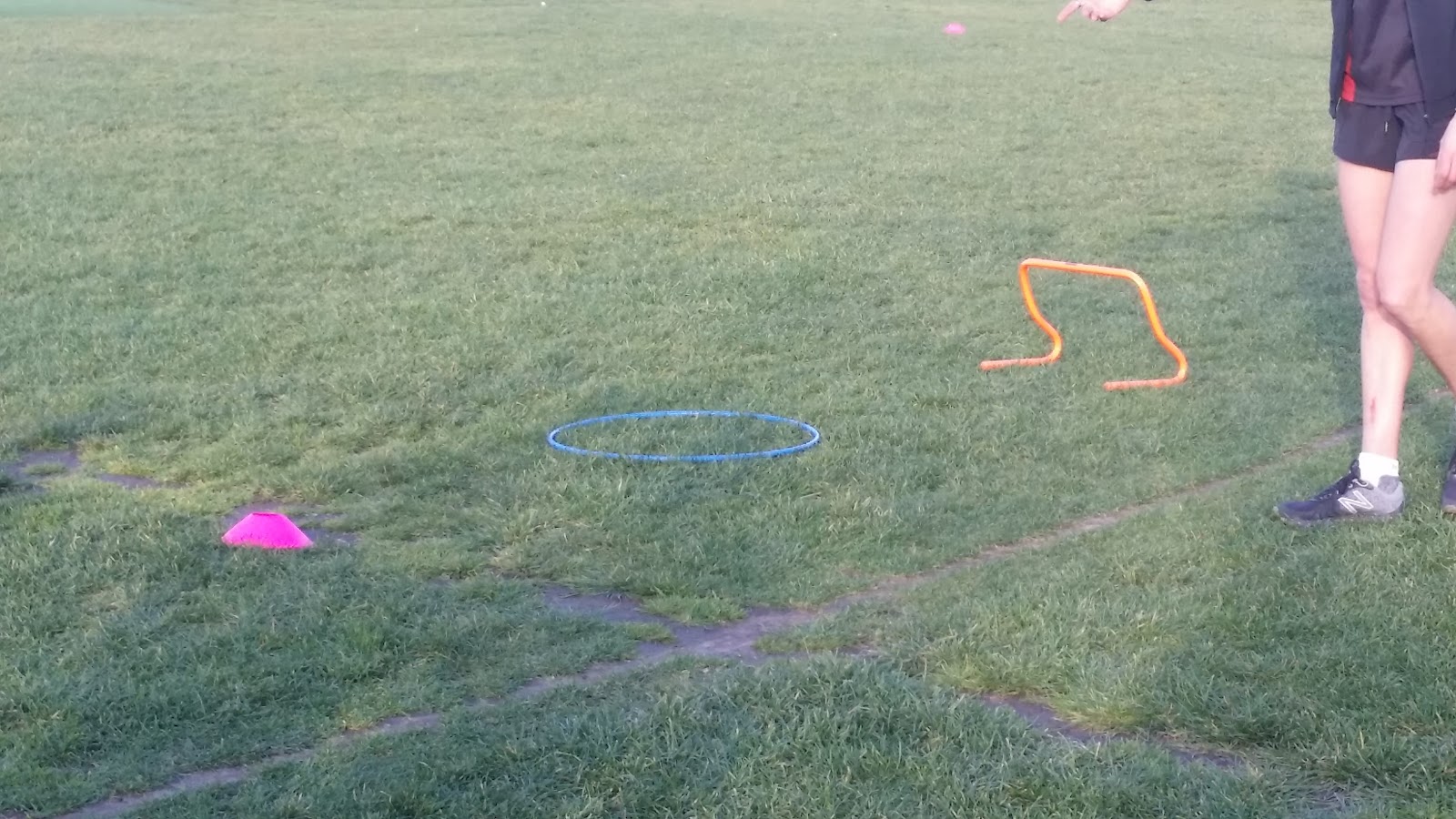
Hop to cone, step to hoop then jump over hurdle. Walking first then get them to run.
Good to teach, bit of brain dev and then doesn't come in until high school.
When jumping head needs to be up and looking forward.
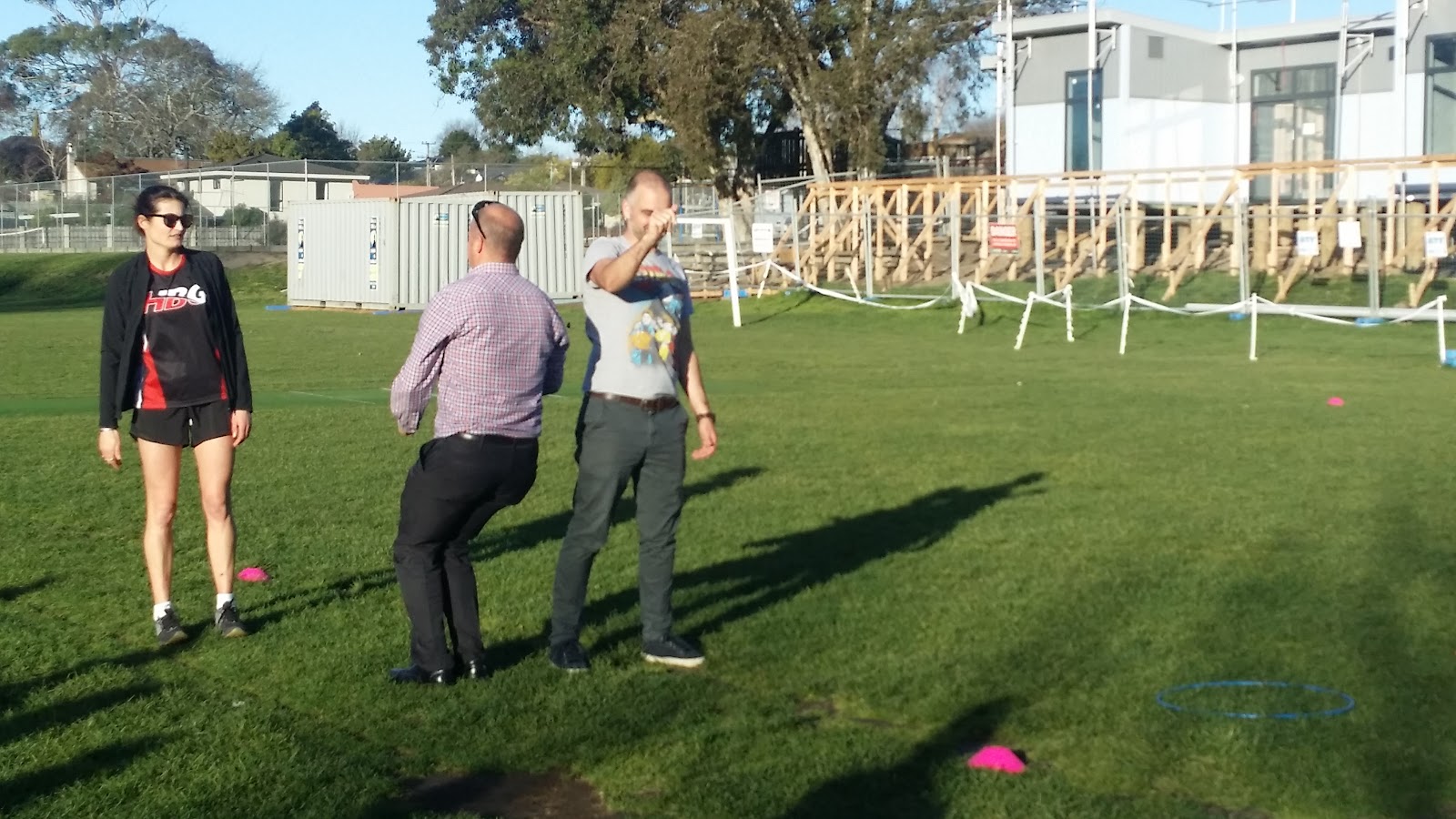
Step and jump then high five.. good way to get kids get their heads up.
Coach and athlete.. in pairs. One is coach the other is athlete. Coach watches then gives feedback.
All must teach a j run up (3 steps wide x 3 steps long). Run round the cone and then up and over.
Throwing:
Throwing is a push pass.. don't lock out arms. Arms need to be straight.
Chest pass straight arms then overhead to overhead. 1 hand push next..
Chest pass straight arms then overhead to overhead. 1 hand push next..
Side on to teacher on the line.
Back foot weight needs to be.. practise weight transfer from back to front.
Practise both sides.
Shot put.. pick up in fingers (dirty fingers & clean palm), shot to neck (dirty neck), elbow up
(lift both arms up to 180), weight back.
(lift both arms up to 180), weight back.
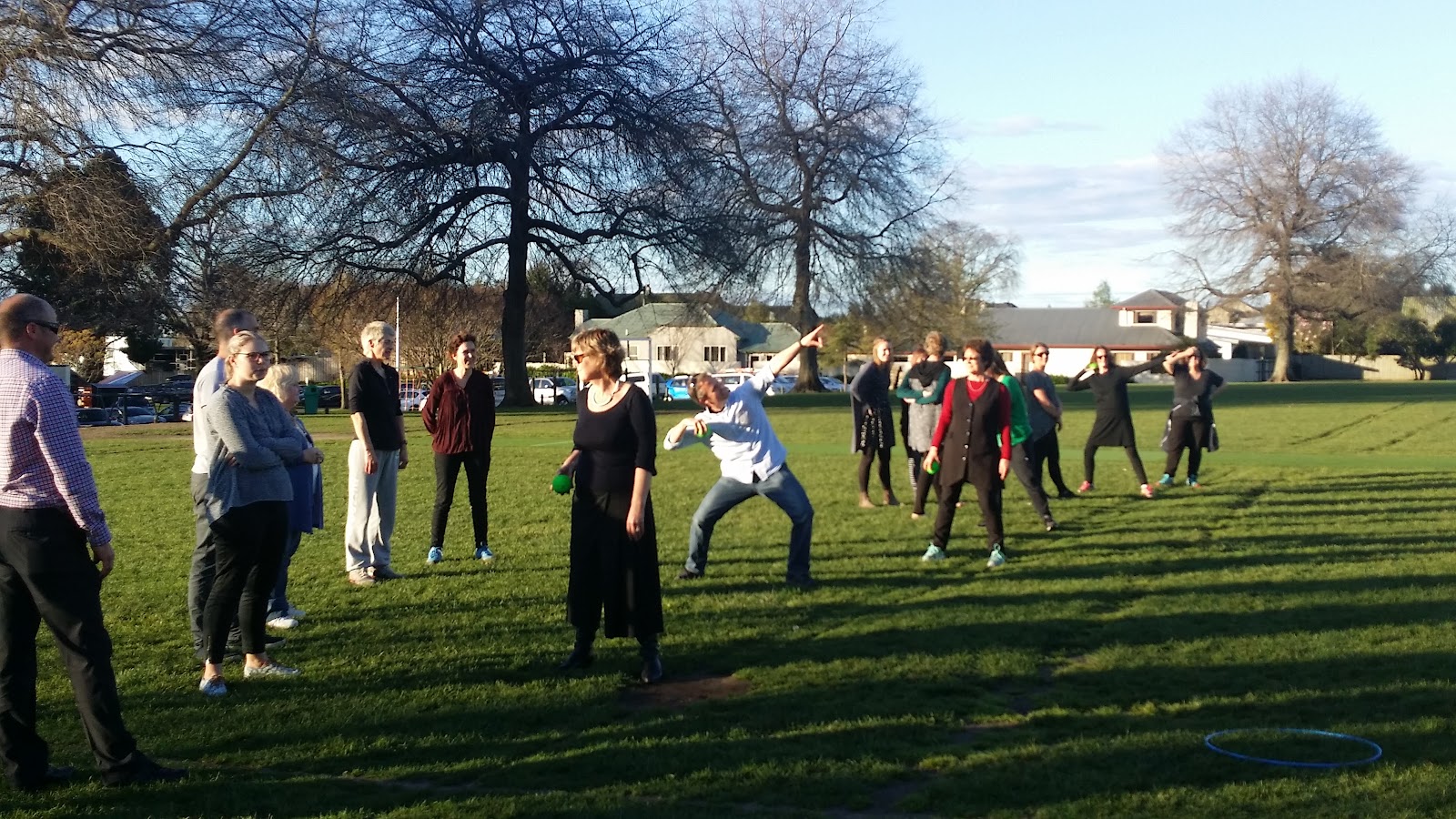

Safety!!!! No one out the front. Throwing cone and then a safety zone. Keep everyone behind in
safety zone until called forward. The thrower never retrieves it. In an event they arent aloud to
walk out the front of throwing area so don't send the thrower to retrieve. “thrower ready,
throw when ready.” Wait for teacher's call.
safety zone until called forward. The thrower never retrieves it. In an event they arent aloud to
walk out the front of throwing area so don't send the thrower to retrieve. “thrower ready,
throw when ready.” Wait for teacher's call.
Check time hips twist then follow through with shot. Look behind until turned and push.

Shot shouldn't leave neck.. disqualified if there is light between neck and shot.
Discus
Roll discus along ground.
Needs to roll forward off front of hand.
Get the discus through hurdle
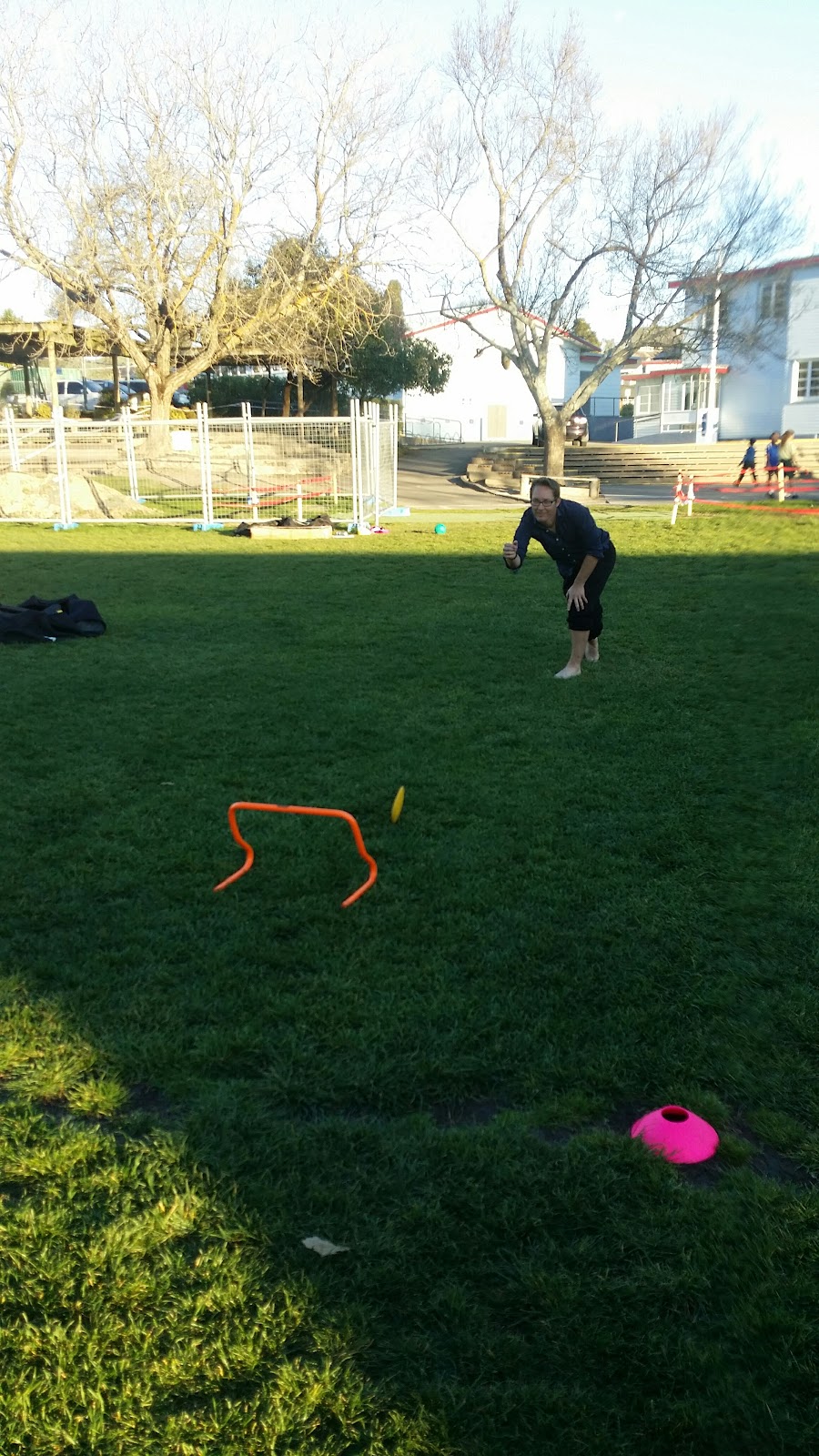
Set up obstacles .. under or over or round.. cones they need to knock down.
No beak grip.
Swinging hand bag.. don't use your thumb to grip it.
Chin, knee, toe.. chest up.
Rotation.. spinning.
T.. let it go when t faces front. Hio first knee then shoulder.

Javlin
Palm up, arm up palm up throw and extend. Elbow to front.
Keep arm straight then bring it round and throw.
Foam javlins or vortex are good to use.
Last years PD….
Thursday 13th October 2016
Running:
Get them to try running in different ways. Like a snake zig zagging, like a monkey with arms
hanging low and like an elephant with heavy feet. Then it'll come to what works best.
Fast light feet, arms 90deg and pumping, head looking forward.
hanging low and like an elephant with heavy feet. Then it'll come to what works best.
Fast light feet, arms 90deg and pumping, head looking forward.
Good idea to put cones past the finish line and tell the kids not to stop until then.
Get the kids to start on their tummies, knees or facing the other way listening for the starter.
Works on reaction time.
Works on reaction time.
Long jump:
Run up is the child's age.. as long as there is a long number eg 8+1 is nine steps.
That way they jump off with the same leg they start with.
That way they jump off with the same leg they start with.
Skipping ropes all 1m apart.. extension move some around to different widths and then
finally add boulders (hurdles).
finally add boulders (hurdles).

Maximise how many kids jumping by using the pit width ways with a limited run up eg 5 steps.
Older kids use skipping ropes too but challenged eg can you jump your height and they
move the ropes to suit.
move the ropes to suit.
High jump:
Scissor jump. Toes up (to the sky), bend knee, arms up high, both feet same height.
Skipping rope again. Leg closest to rope goes over first over the line. Try both ways.
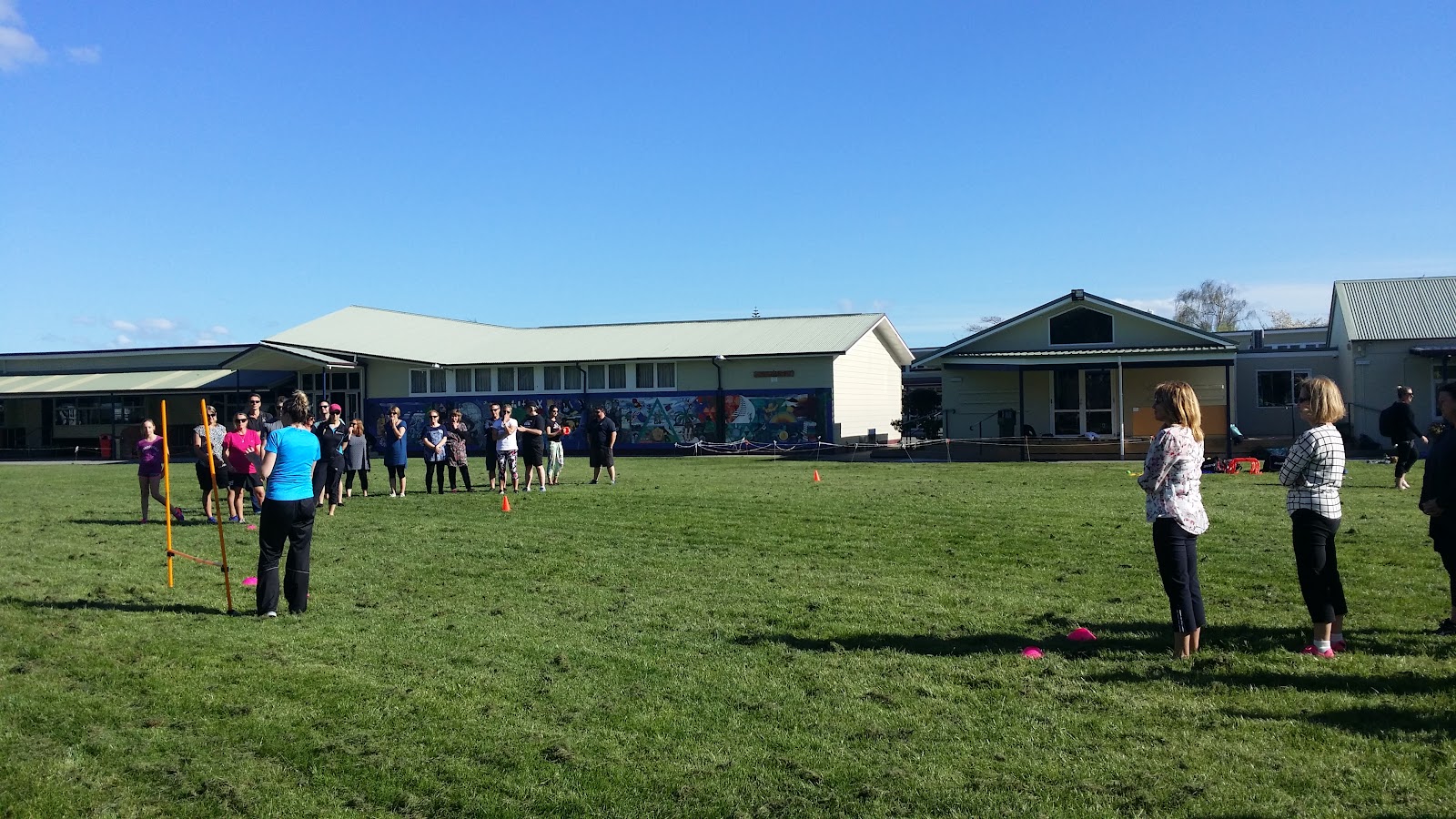

Have both junior and normal high jump out for training that way those that are good can
practice and those that aren't can still try.
practice and those that aren't can still try.
Can also have kids holding skipping ropes.
If you can't scissors up to your armpits your not ready to frozbee. Use small mats with the
scissor so they get correct technique.
scissor so they get correct technique.
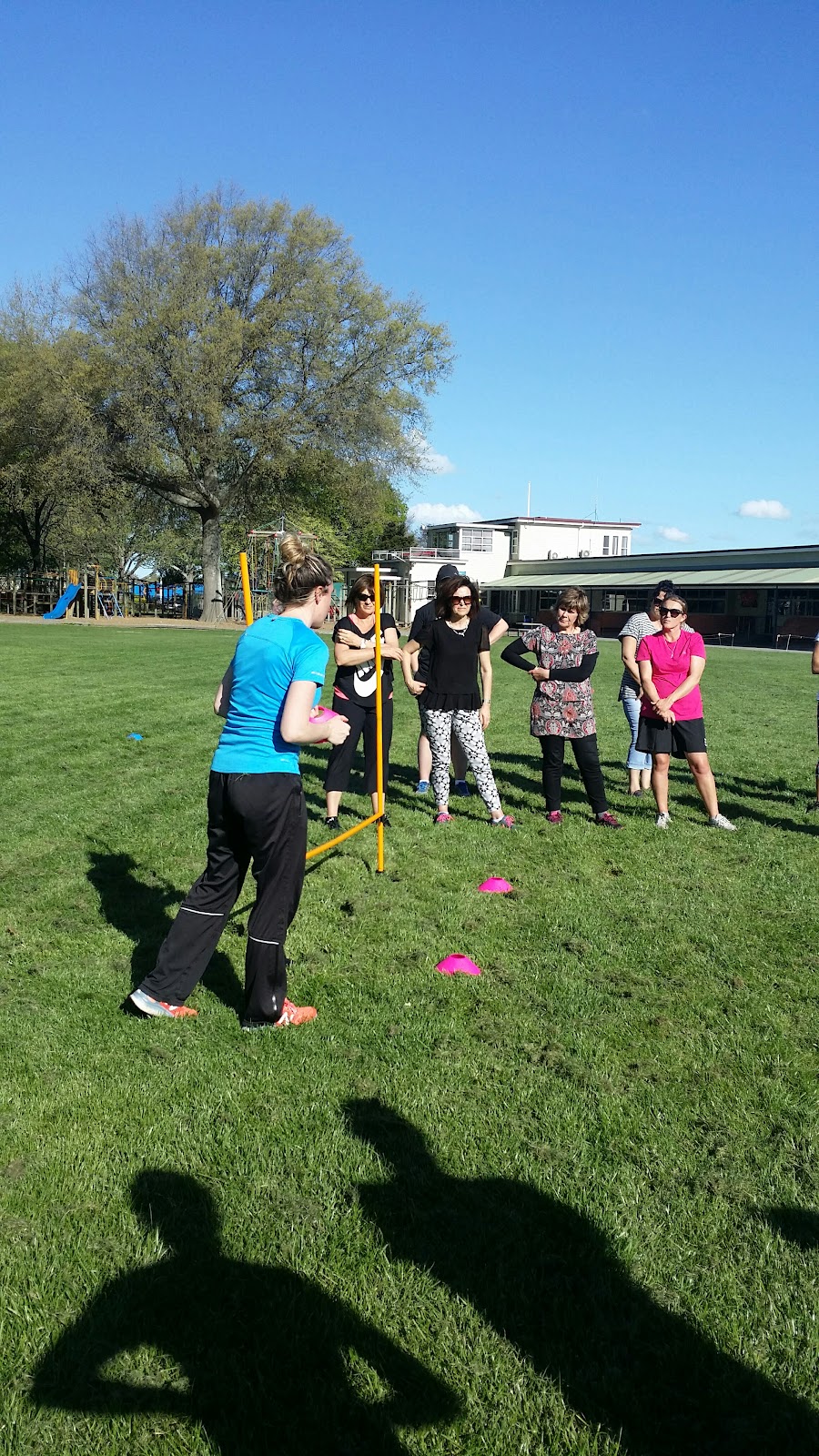
Shot put:
Always start with a bigger ball.
In pairs or threes roll the ball pushing your elbows out. Hands like a diamond then push.

Now try with height.

Then turn body side on and turn and then push ball from one side.
Nose to knee..
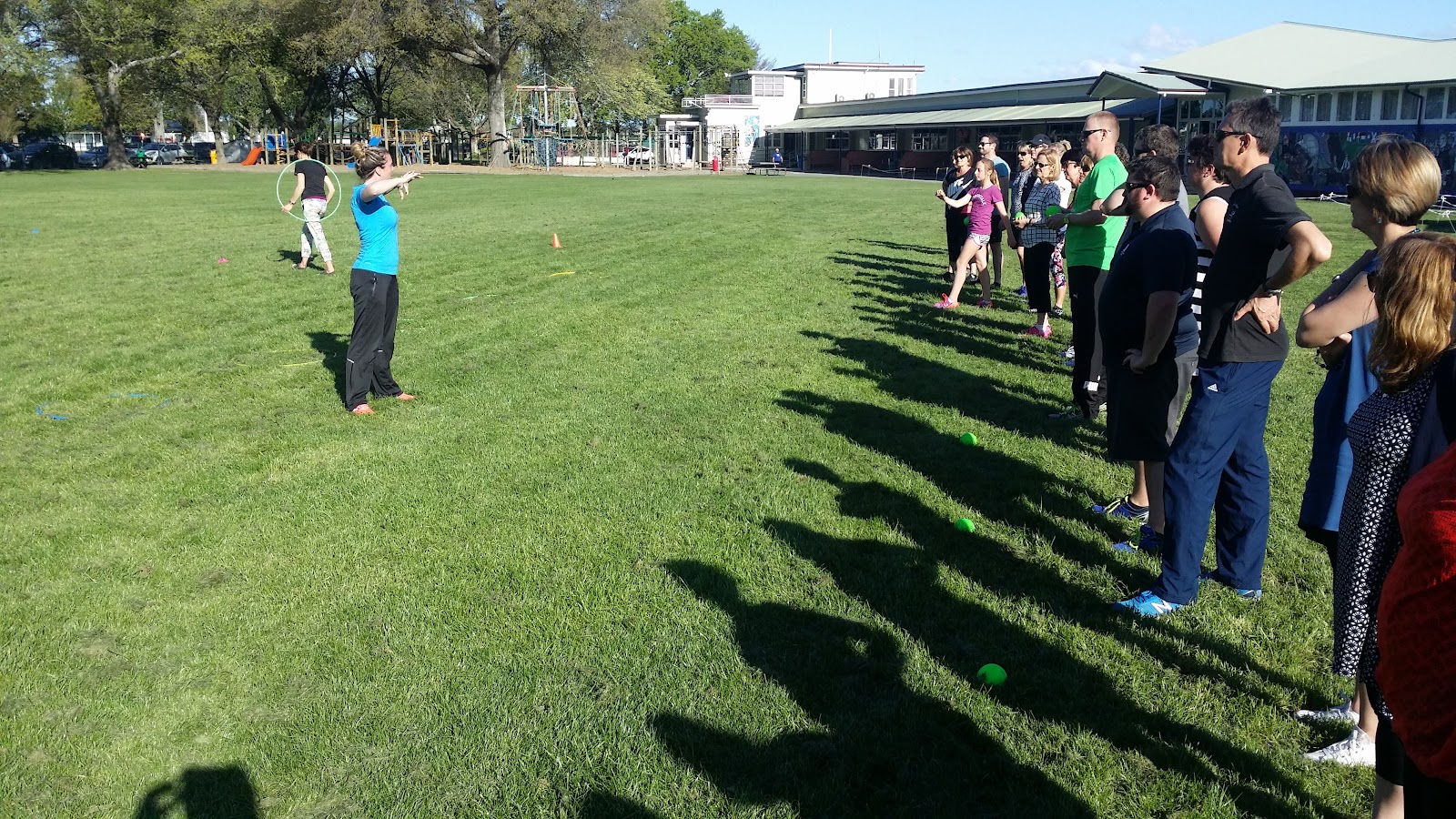
Get the children to drop the shot then pick it up. That's how they throw it. In the tips of fingers.
Fingers to neck, chin knee toe, whats the time mr wolf, push it high. (Dirty fingers and dirty neck).
No one throws until told to push it high. No one goes to collect until told and next thrower goes to collect.
Then introduce hoops and get kids to try get the shot in hoops.
The hoops encourage height and technique. Technique rather than distance.
Everyone has the same target, keeps the balls faster and lesson moving.
Everyone has the same target, keeps the balls faster and lesson moving.
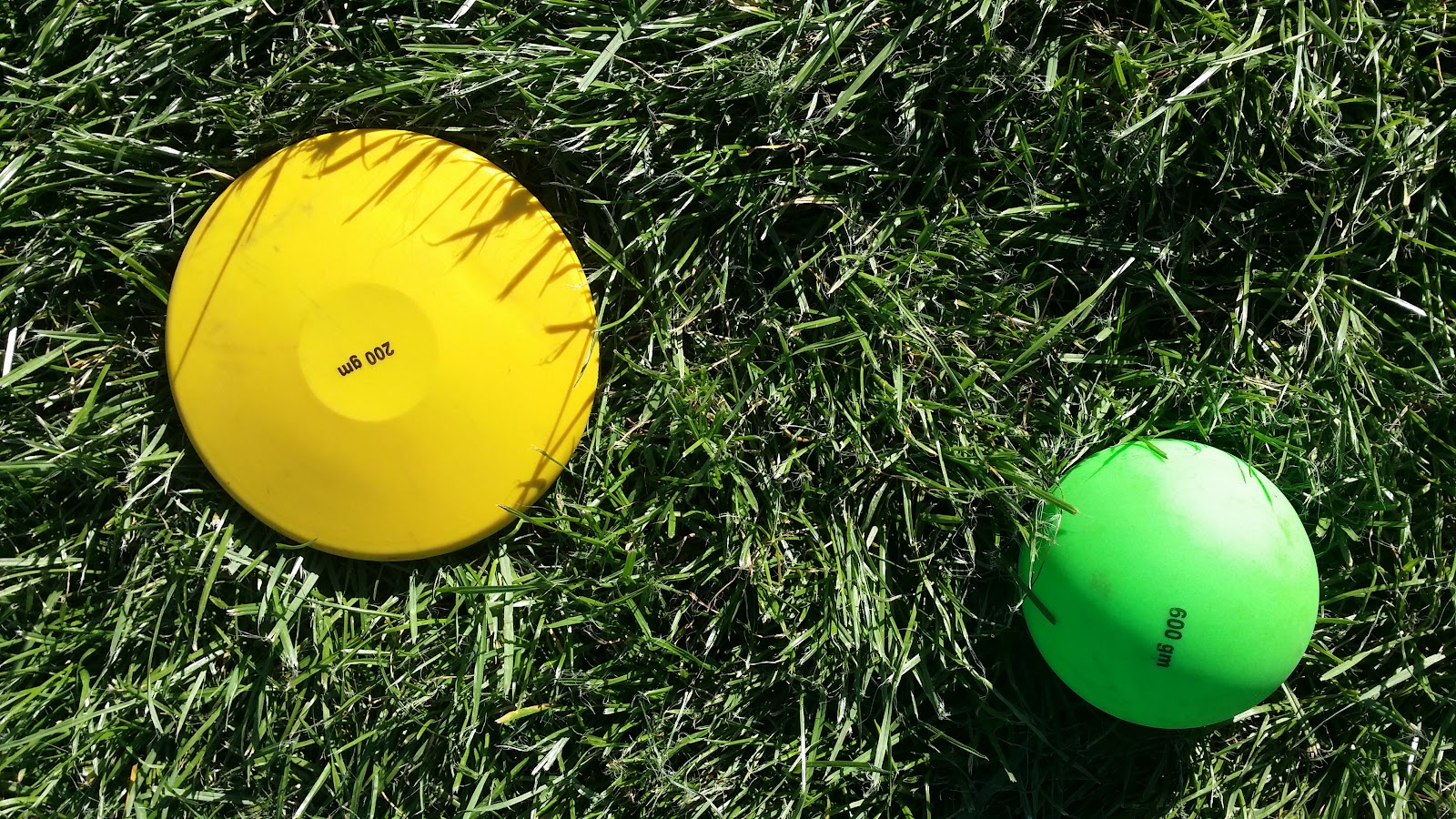
Discus:
Swing discus in hand by your side.
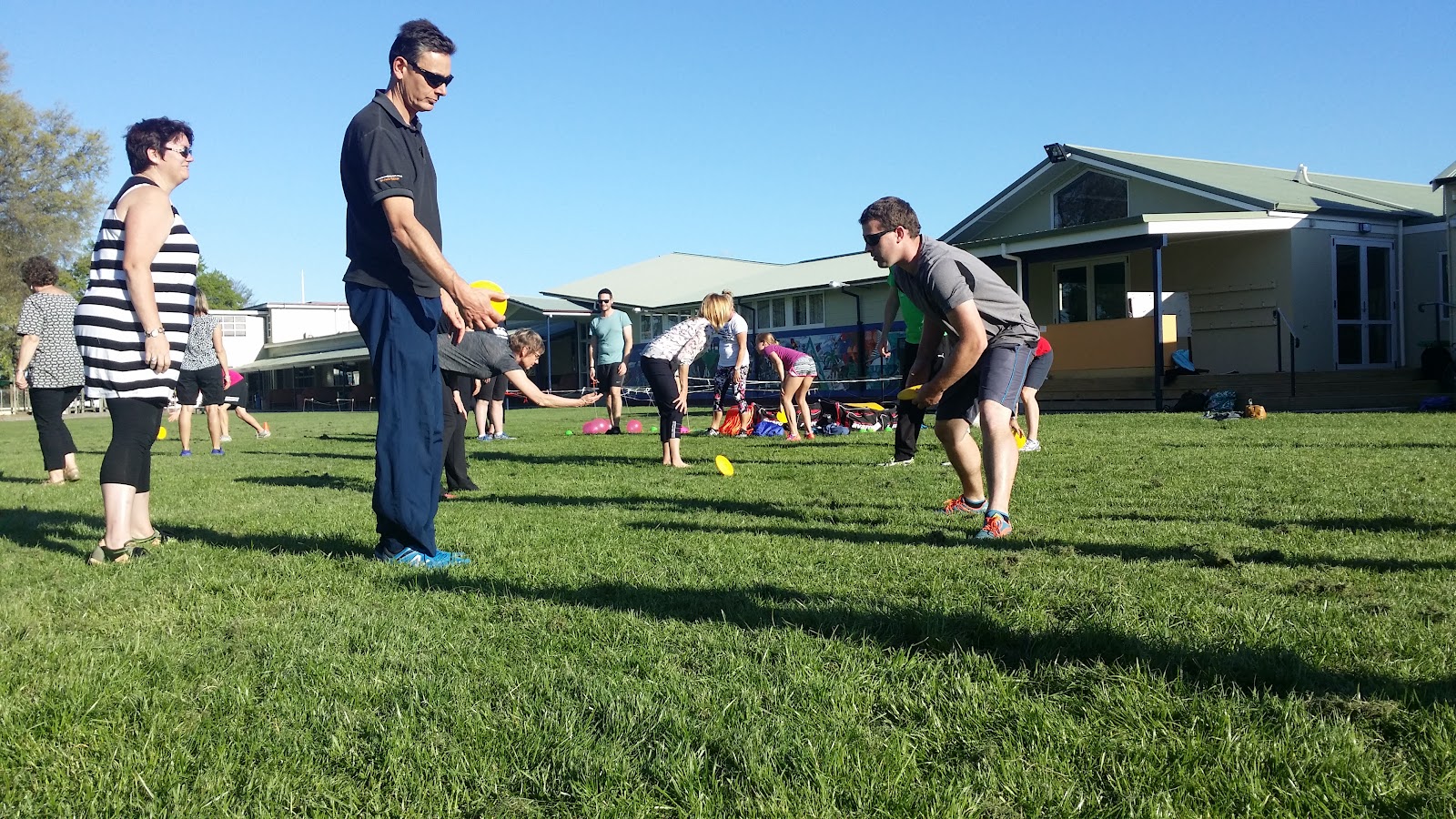
Show them the end product with the swing then pet them roll the discus.
Set up a course with 2 cones at random and the kids have to go around the course rolling the discus.
See how many rolls it takes.
See how many rolls it takes.
Make sure it comes out the front not back of hand.
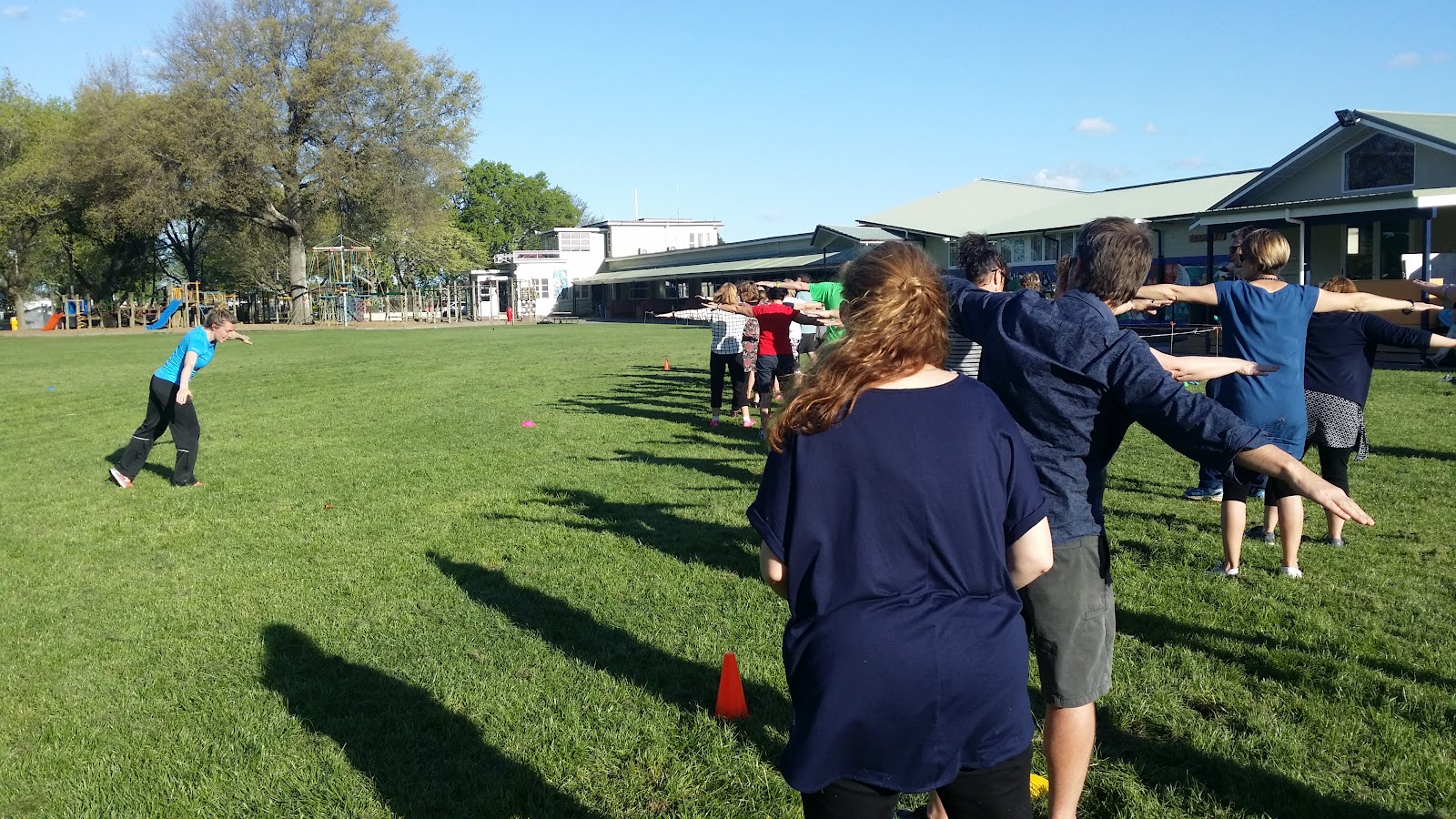
Tee, chin knee toe, when tee faces front let go.
One, two (prac swings), low to high watch it fly.

Goes to the right ots let go to early. To the left too late.
Use a hula hoop and high jump pole and get the kids to get the hoop over the pole.
Can at last option use duck beak but it is wrong technique with letting it out out the back of hand.
Sunday, 5 August 2018
Digital and Collaborative Learning - Blended Learning Week 3
Edpuzzle would be good for creating Flipped learning videos to explain a concept or idea.
You can create your own content or use content from the sight and add to it.
It could also be used by the children to create video showing their understanding of a concept or to share their knowledge with others.
Within a formal programme of learning, students study using a mix of on-site face to face learning and some degree of online learning, which may take place on site and/or remotely. There are several models of blended learning, which vary in their balance between the face to face and online learning, and how much of the online study is on site or off site. Some models emphasise some kind of rotation between learning activities, which may be more or less prescriptive, depending on the context. The important thing is that there must be some element of face to face learning, contrasting with, for example, MOOCs (Massive Online Open Courses) or distance learning courses, where all the learning is online.
The flipped classroom is a form of blended learning that brings together advances in education and technology to deliver instruction online, outside of class, typically via video-based materials, and moving 'homework' into the classroom. The end result is a personalized, engaging learning experience for every student — whatever their learning style, pace, or ability.

The definition of blended learning is a formal education program in which a student learns:
- at least in part through online learning, with some element of student control over time, place, path, and/or pace;
- at least in part in a supervised brick-and-mortar location away from home;
- and the modalities along each student’s learning path within a course or subject are connected to provide an integrated learning experience.
The majority of blended-learning programs resemble one of four models: Rotation, Flex, A La Carte, and Enriched Virtual. The Rotation model includes four sub-models: Station Rotation, Lab Rotation, Flipped Classroom, and Individual Rotation.
Flex Model - content that is personalised that they self manage while the teacher is with a group - Chn choose what they are doing using Google sites/
Teaching Standards
TeachingTeach and respond to learners in a knowledgeable and adaptive way to progress their learning at an appropriate depth and pace.
Subscribe to:
Posts (Atom)