Mindlab - Action reflections

Wednesday, 17 October 2018

Gamification Year 13

Gamification
Gamification is a concept, which is not exclusive of education. Some researchers generically defined it as “the use of game design elements and game mechanics in non-game contexts” This broad definition has been further refined to reflect the most common objective of gamification: increase user experience and engagement with a system. It is important to note that Games and Gamification are two different things! (Deterding, Dixon, Khaled & Nacke, 2011).
Game Mechanics
These have the potential to influence follower behaviour. Seth Priebatsch's (2010) flipped activity video, lists 4 game mechanics.
  • Appointment dynamic
  • Influence and status dynamic
  • Progression dynamic
  • Communal discovery 
Game mechanics are most effective when they match a user's preferences. The flipped task with this video is to consider how these mechanics can influence follower behavior and to add ideas to the shared padlet tinyurl.com/4gamemechanics.
Gamification User Types
The point of considering User Types is to give gamification designers a simple framework to think about the types of people they may have using their system.
This hexad scale was developed by Marczewski (2013).
It is essential to keep in mind that people can not be broken down into simple categories, they will likely display most if not all of these traits in varying degrees. … Over time the user type would most likely change... because as people master or get bored of certain types of playing, they evolve.
Find out how user types relate to you by completing the User Type Test at: https://gamified.uk/UserTypeTest2016/user-type-test.php 
User types vs follower types
Depending on the motivations of user types, badges can serve different functions such as goal setting, instruction, reputation, status/affirmation, and group identification (Antin & Churchill, 2011). Follower Types and their different motivations can also be considered (Kelley, 1988).
Gamify your Practice for Digital 2 / Leadership 2 Assignment
Consider:
- How might you classify your user/follower types in your leadership of your innovation?
- Did you / could you use any aspects of gamification (Flow, User Types, 4Keys 2Fun, Game Mechanics, Problem Spaces) in your leadership of your change initiative?.

References
Antin, J., & Churchill, E. F. (2011, May). Badges in social media: A social psychological perspective. In CHI 2011 Gamification Workshop Proceedings (pp. 1-4). New York, NY: ACM. http://gamification-research.org/wp-content/uploads/2011/04/03-Antin-Churchill.pdf
Deterding, S., Dixon, D., Khaled, R. & Nacke, L. (2011). From game design elements to gamefulness: defining gamification. In Proceedings of the 15th International Academic MindTrek Conference (pp. 9–15).
Kelley, R. (1988, November). In Praise of Followers. Harvard Business Review. Retrieved from https://hbr.org/1988/11/in-praise-of-followers
Marczewski, A. (2013). Using the Gamification User Types in the Real World. https://www.gamified.uk/2013/12/09/using-gamification-user-types-real-world/
Marczewski, A. (n.d.). Gamified UK User Type Test. Retrieved from https://gamified.uk/UserTypeTest2016/user-type-test.php#.WpDGxaiWbIU
Priebatsch. S. (2010). Building the game layer on top of the world. Retrieved from https://www.youtube.com/watch?v=Yn9fTc_WMbo  

Monday, 8 October 2018

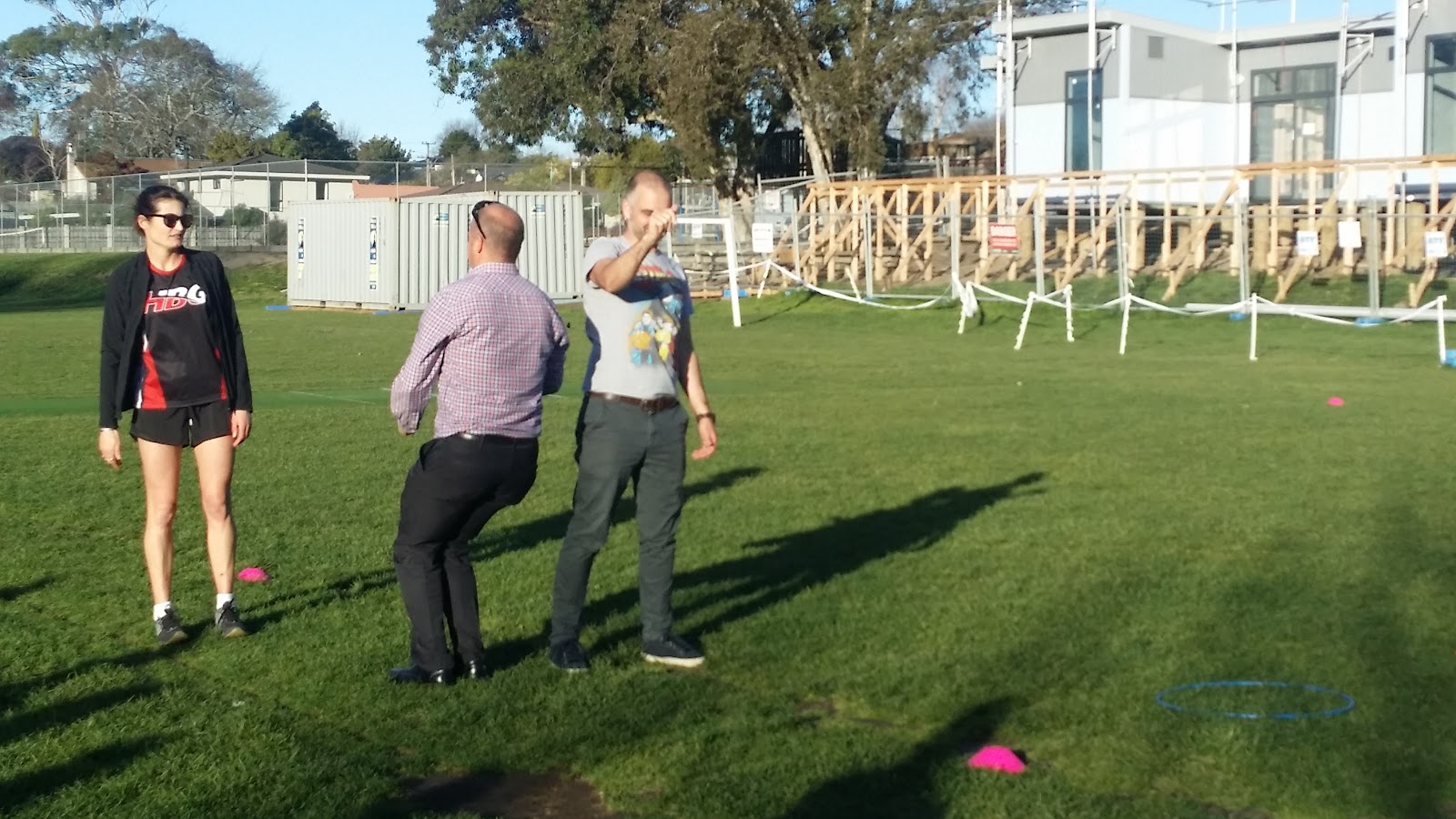
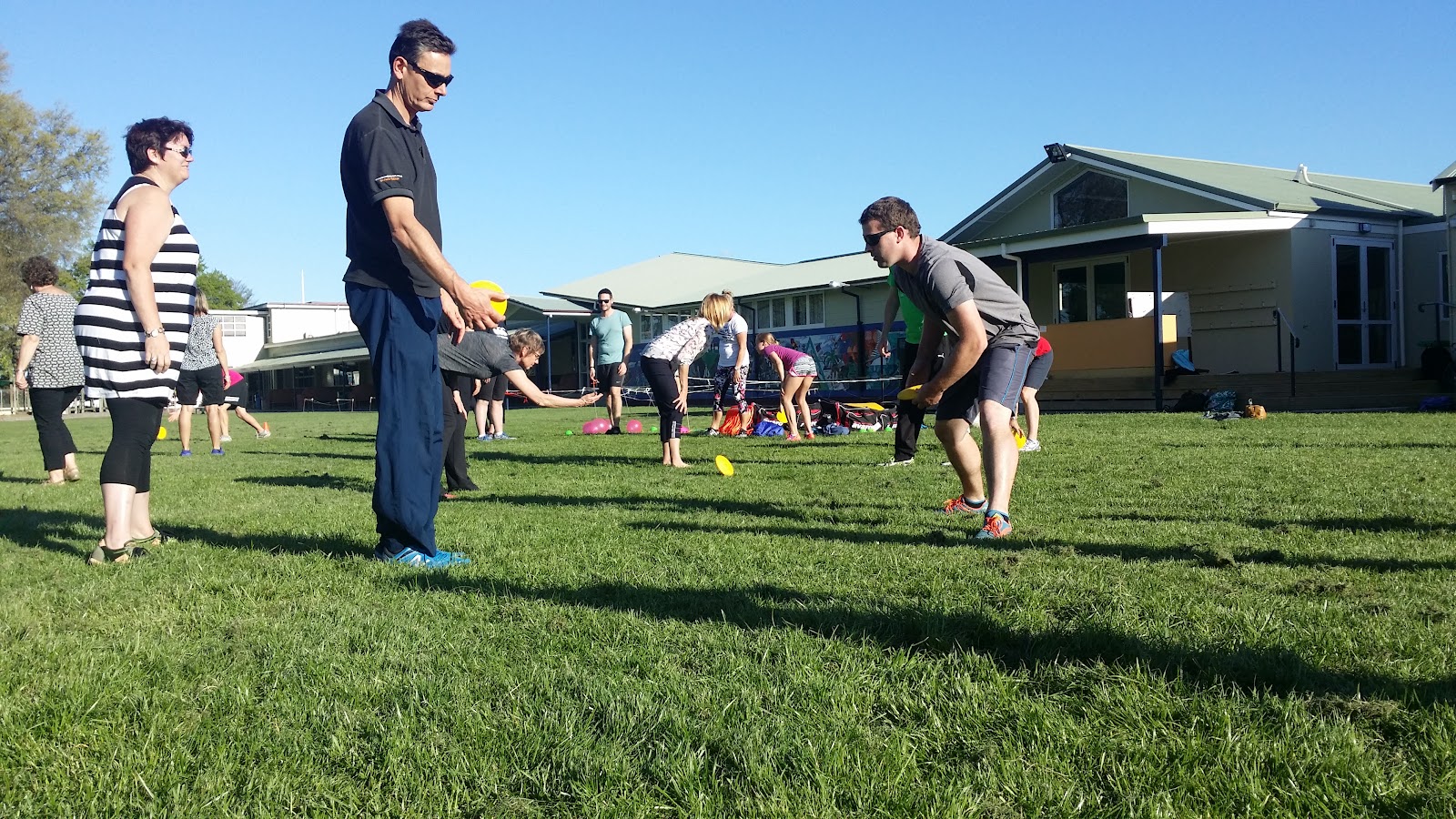
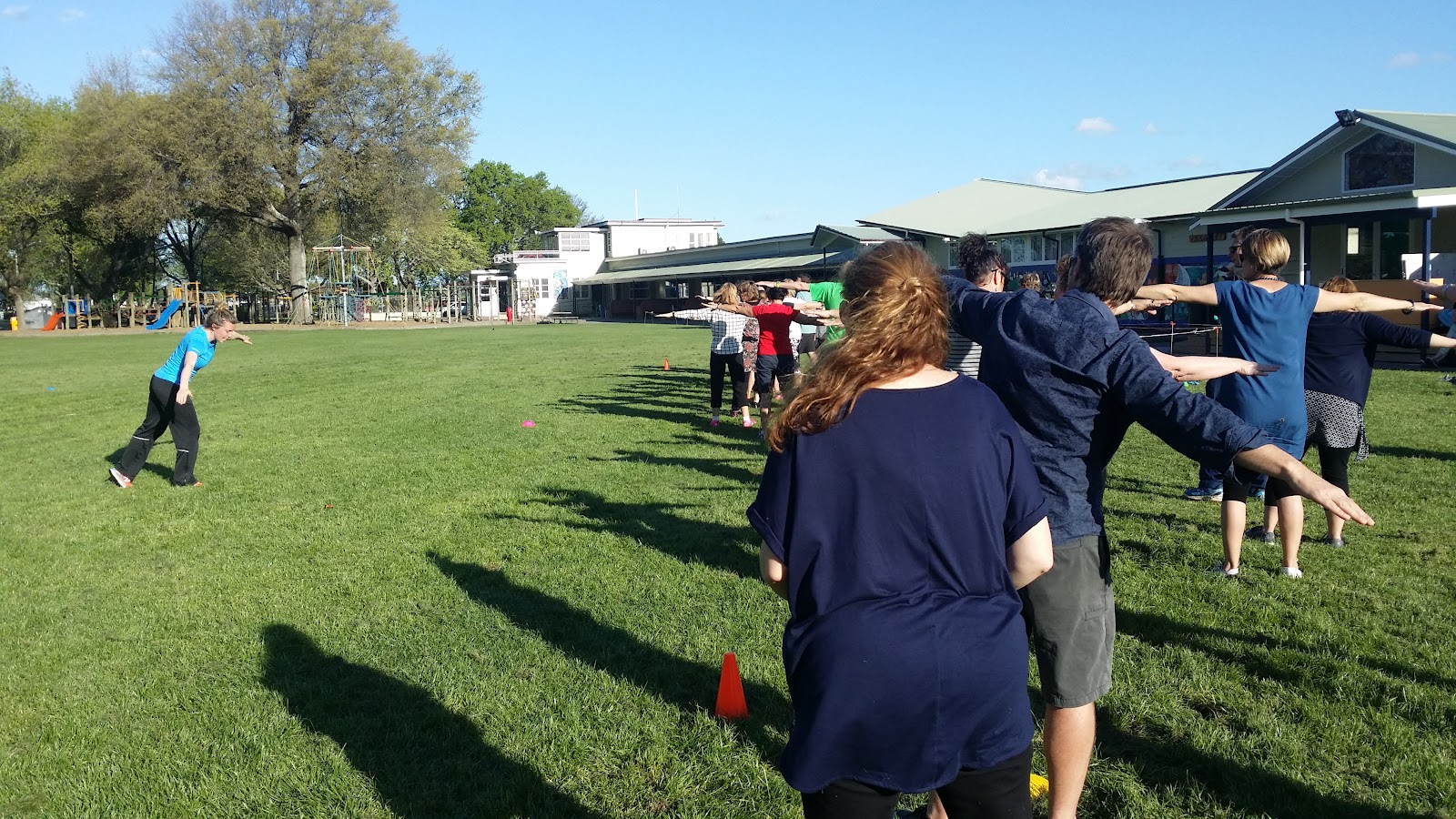
Athletics

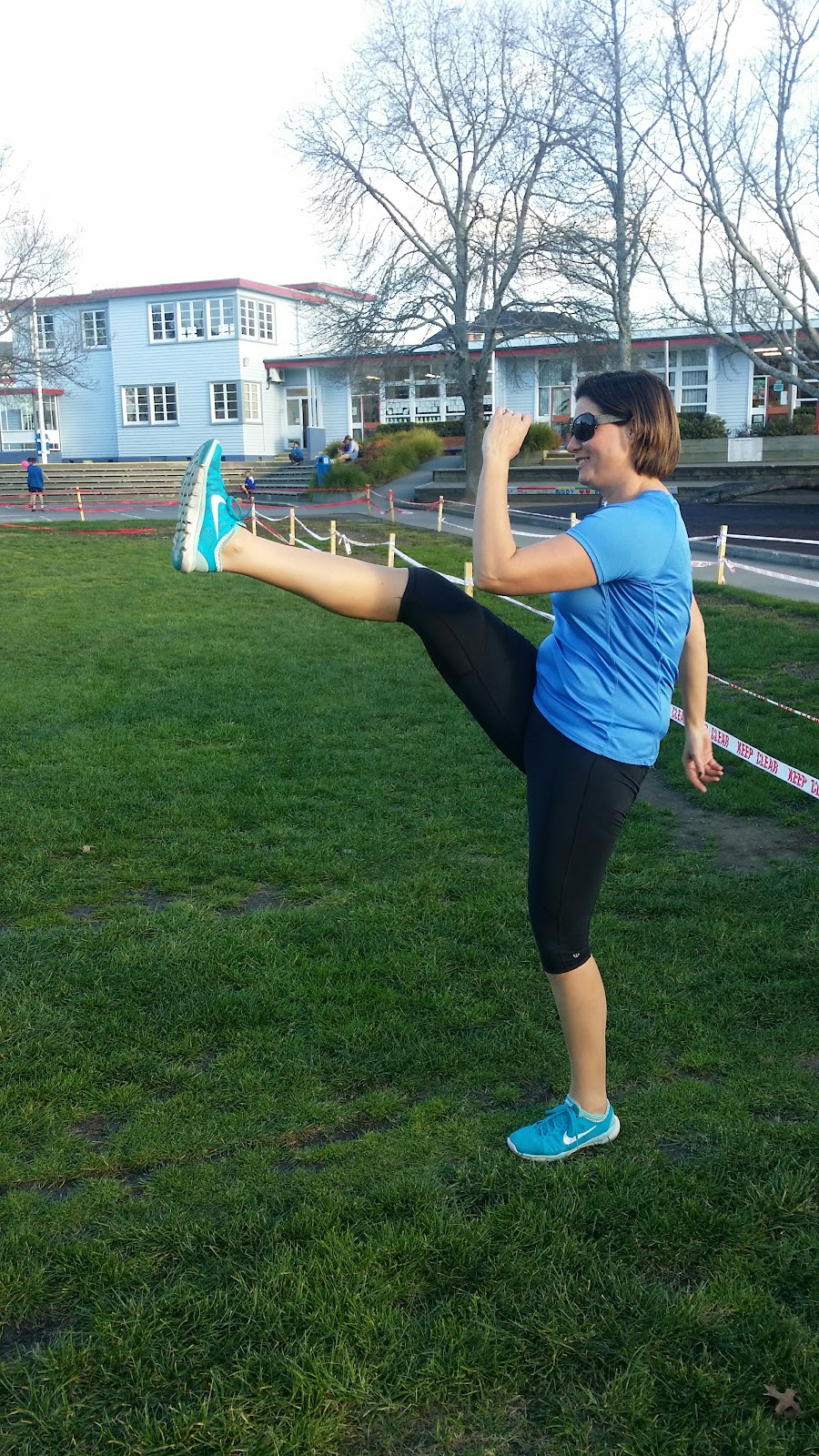
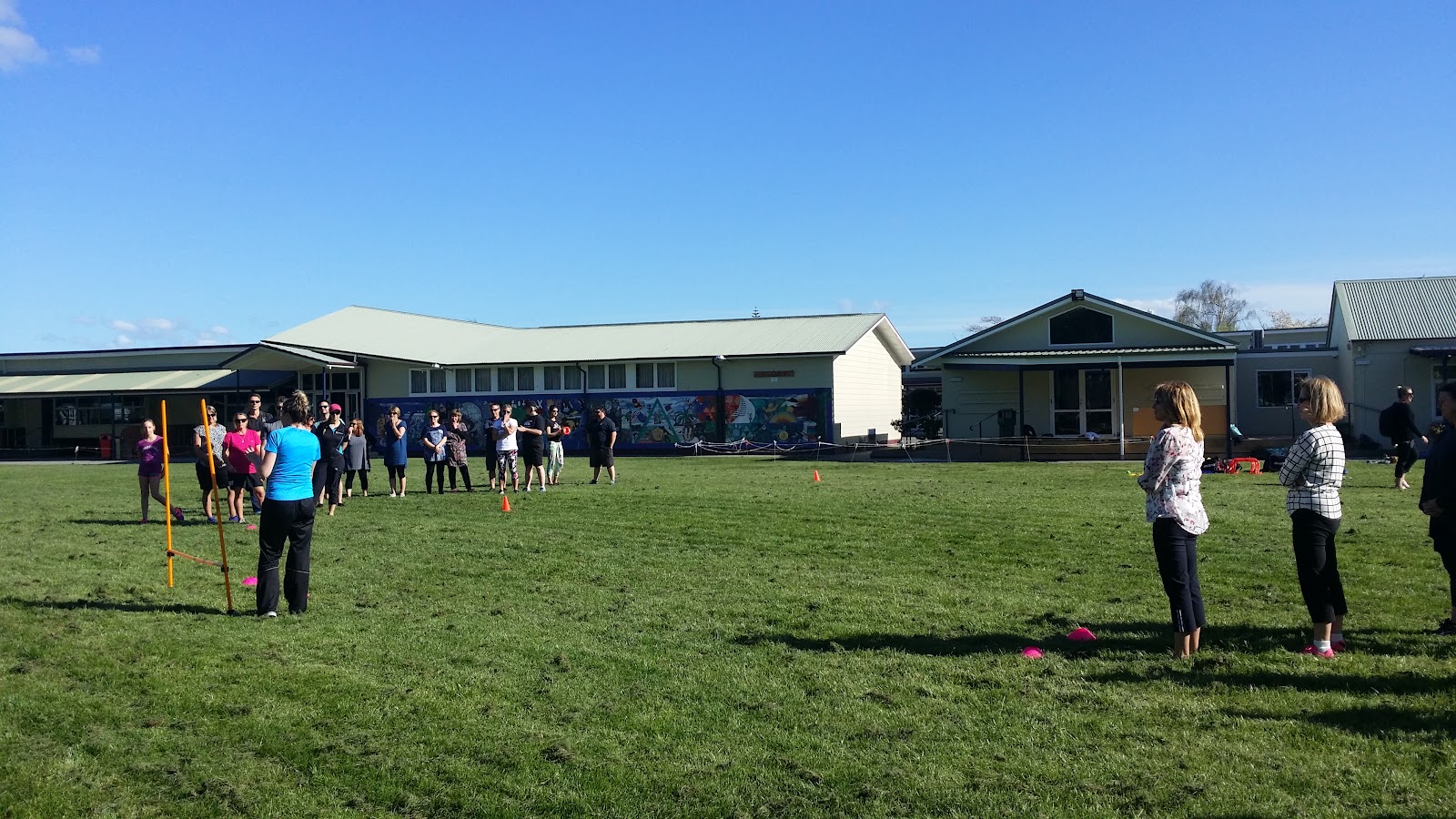
Emma PD 29.08.17


Sessions..
-game warm up with skill included.
-mobility (leg swings, shoulder rolls etc)
-skill
-implement skill
-warm down
-stretches


Running


Straight vs zigzag.. children to critique each other.
Which was faster?
Ome hands behind back one hands in front. Which was easier?
Run heavy vs run light!
Long strides vs short
Head- still straight
Torso- upright, slightly forward. Michael Jackson tilt
Pelvis comfy
Arms- 90 deg
Running swing in shoulders (back down and relaxed)
Hold crisp in fingers vs clenched fist


Marching..
Arms bent, arms op knee, cheek to cheek. Drum behind them hit drum with bent arm.
Shouldn't hear feet on ground.


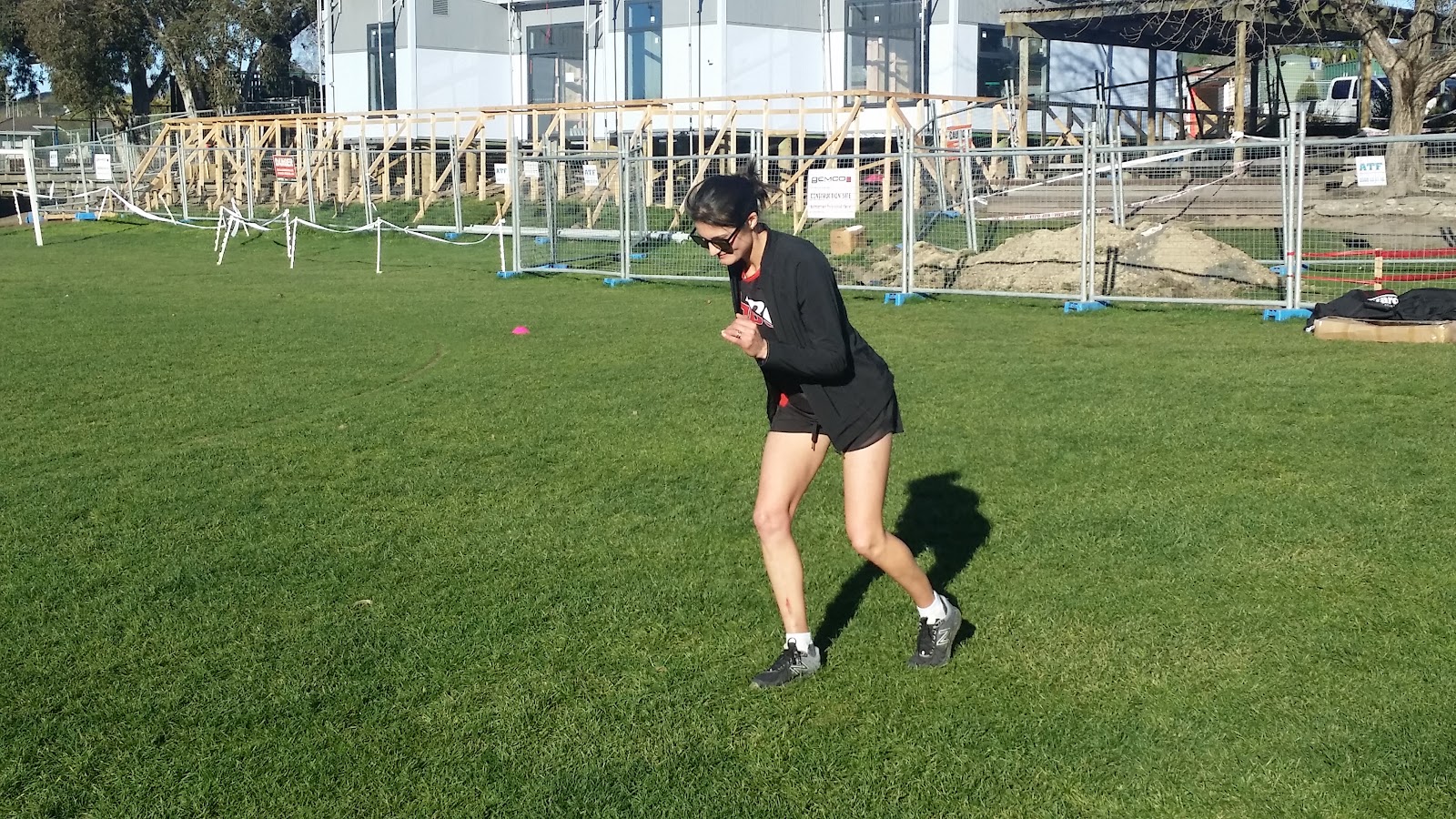
Sprint.. on ball on feet
Long distance.. slightly back further.


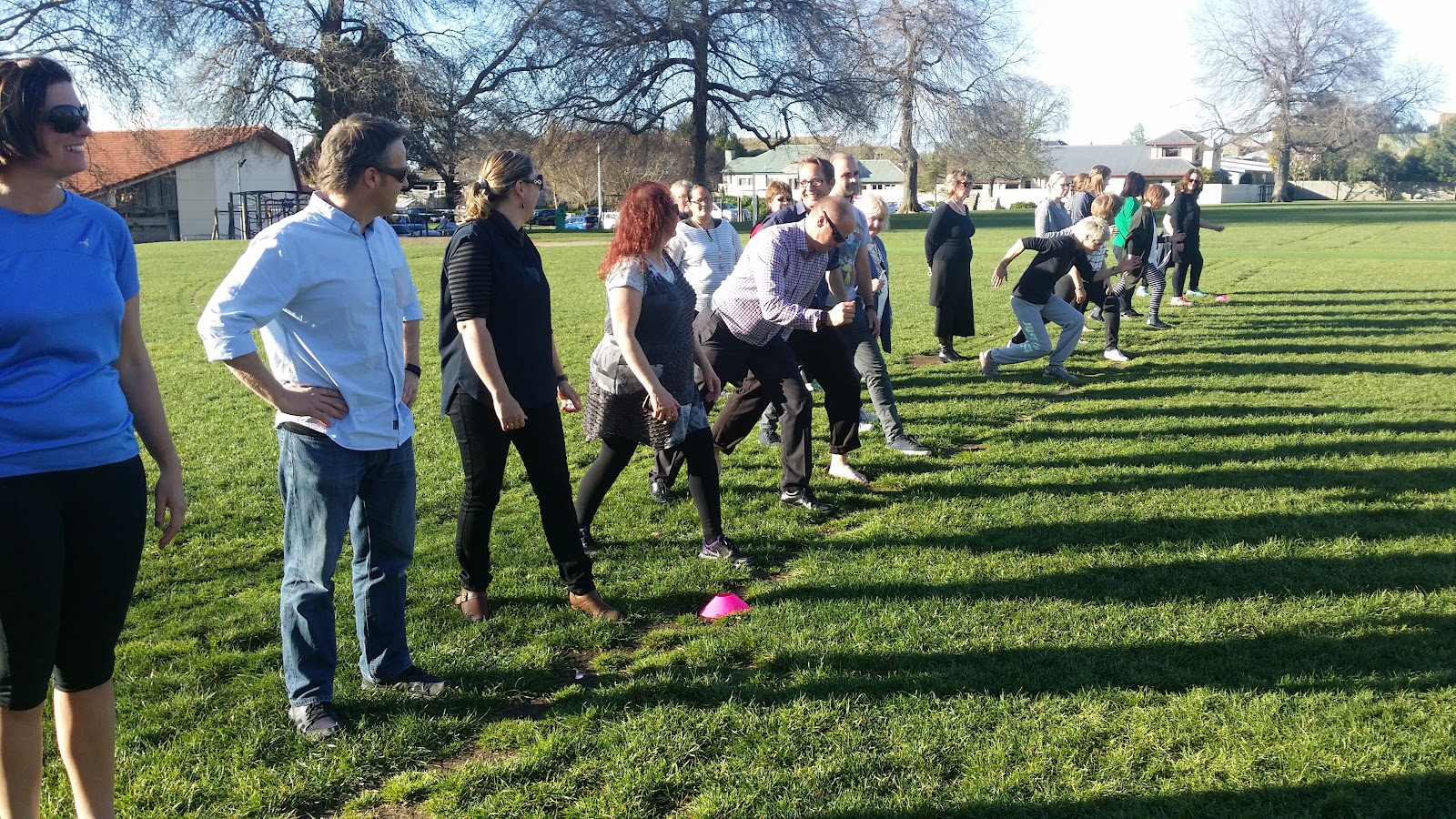
Starts


Take your marks, set, (stand behind the runners) clap..


Make children practise starts on both sides.


Relays…


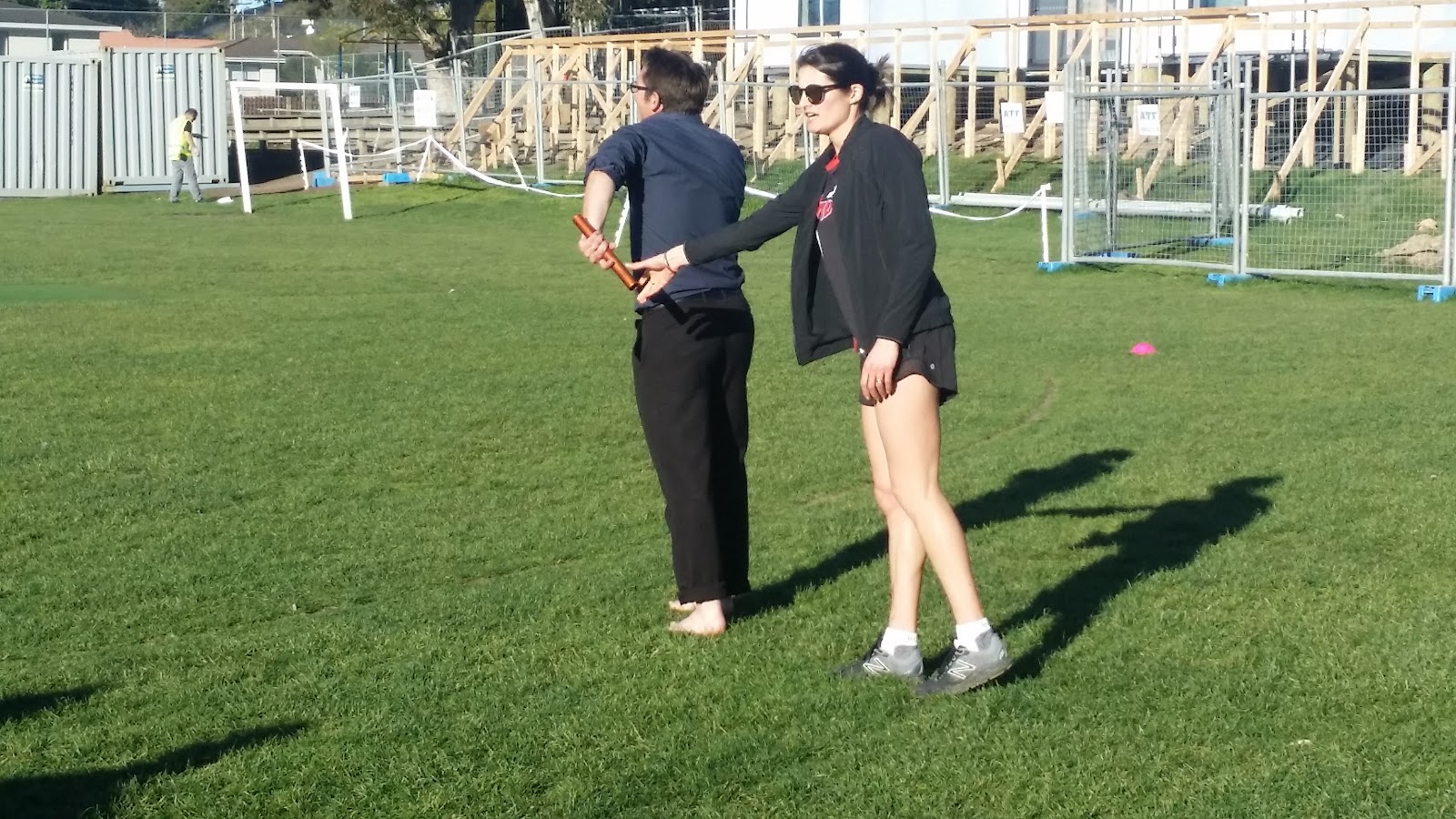
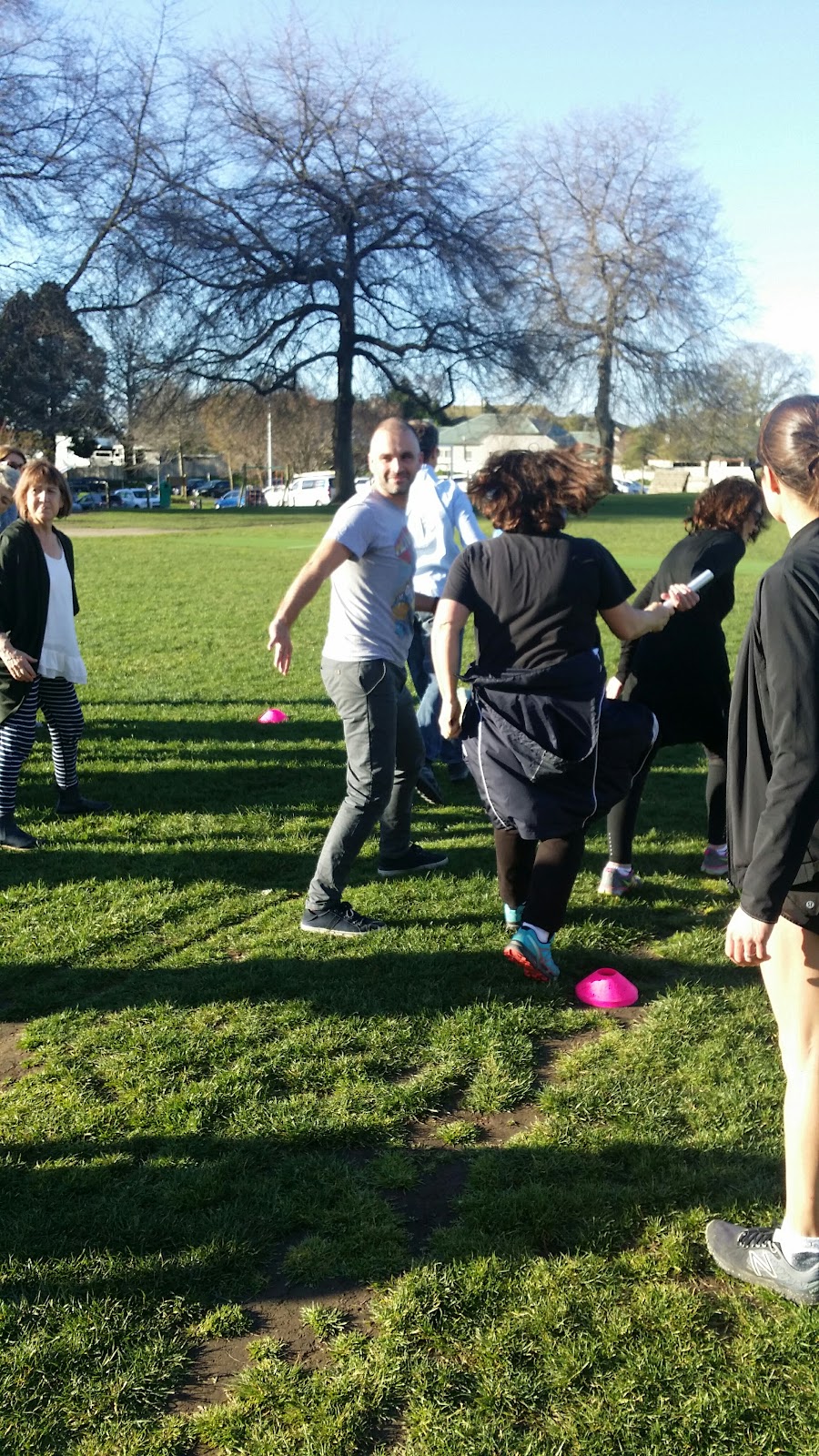
Push batton -  not place it up or down


Groups of 4.. running arms. One two three hands.. push batton. Through team.
Last person drops batton and team walks forward and go again.


Set up a coned change over area.


Don't look behind!!!! Arm back, fingers down, push into their hand at top.


Jumping..


Land bent knees on a motorbike.


Get kids to jump forward straight legs.. then bent legs land on motorbike.


Jump from 2 feet.. hands behind back. Bent knees and landing. Step back this time use arms.
Difference? Which is better? Get kids to try it and see which is better.


Take a step then jump off one foot land on two feet. Is it easier to land with feet wider or close together?


Get kids to take off on both sides..


Station 1: standing jump
Station 2: 1 step then jump
Station 3: run up then jump


Hoops, skipping rope and a river jump different widths,


Practise the drive up. Standing jump for height. Arms swing through then drive knee up.
Land on 2. Knee should get up to hip height.
Have a target to jump up for height.. jump to reach.


Kids should be sissoring up to their arm pit height and then they can flop.
Use a line.. scissor one way then back the other.


Use hurdles to get kids practising over.


Hurdles should fall forward when using them correctly.


Practise with a line of hurdles.. children zig zag over the hurdles practising the scissor.


Triple jump


Hop, step and jump


Warm up- hopscotch.


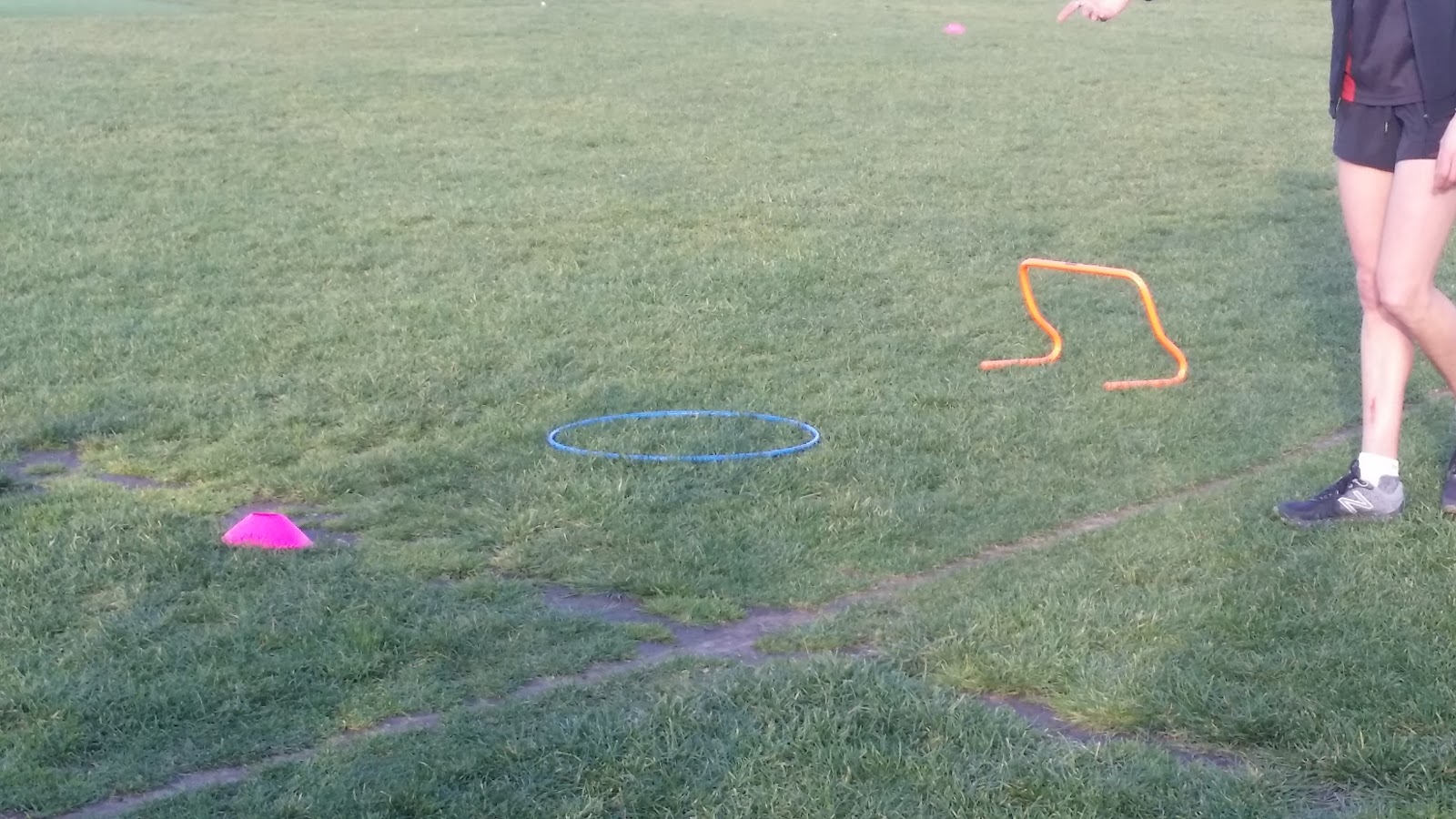
Hop to cone, step to hoop then jump over hurdle. Walking first then get them to run.


Good to teach, bit of brain dev and then doesn't come in until high school.


When jumping head needs to be up and looking forward.


Step and jump then high five.. good way to get kids get their heads up.


Coach and athlete.. in pairs. One is coach the other is athlete. Coach watches then gives feedback.


All must teach a j run up (3 steps wide x 3 steps long). Run round the cone and then up and over.


Throwing:


Throwing is a push pass.. don't lock out arms. Arms need to be straight.
Chest pass straight arms then overhead to overhead. 1 hand push next..


Side on to teacher on the line.
Back foot weight needs to be.. practise weight transfer from back to front.
Practise both sides.


Shot put.. pick up in fingers (dirty fingers & clean palm), shot to neck (dirty neck), elbow up
(lift both arms up to 180), weight back.


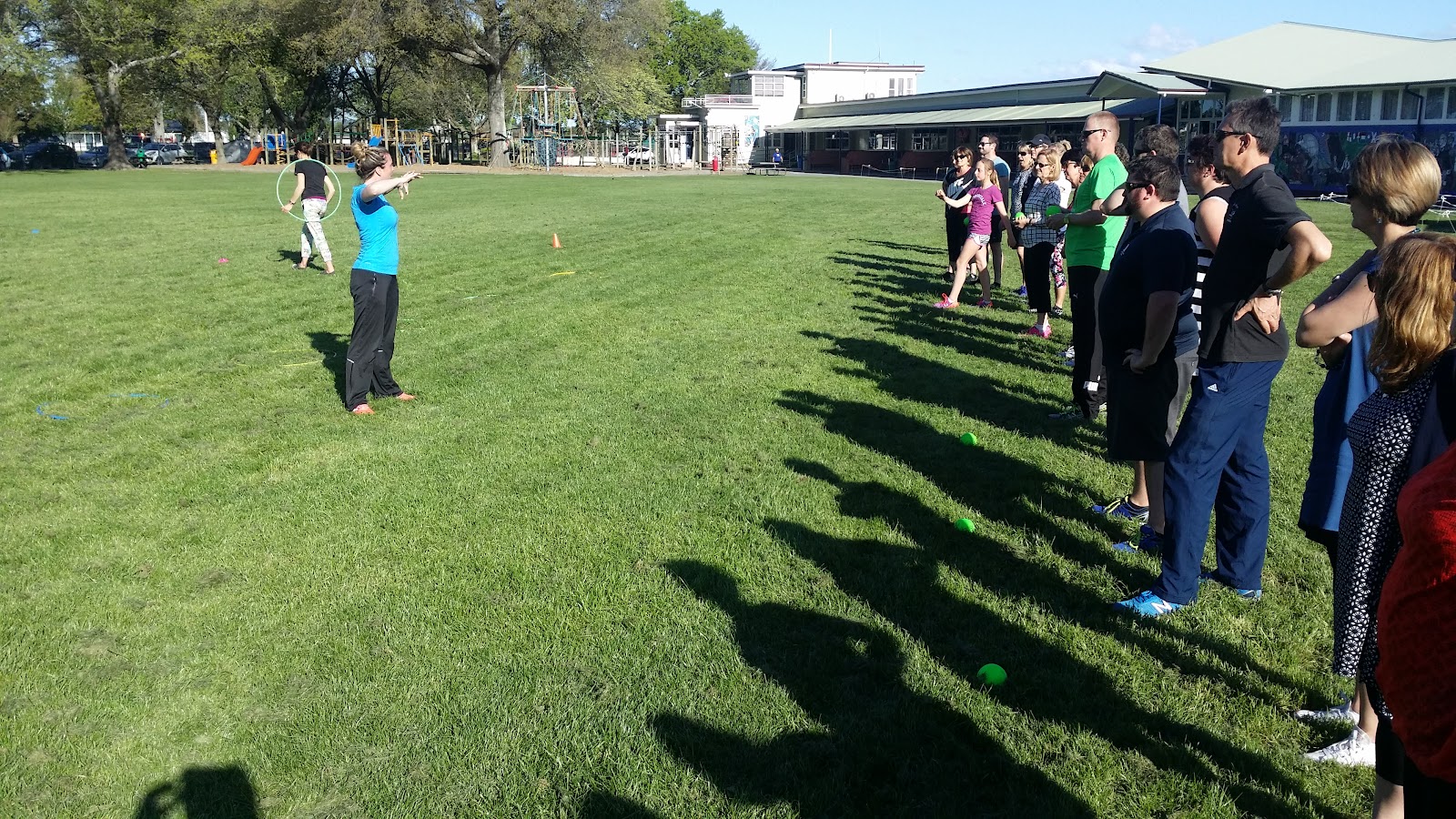
Safety!!!! No one out the front. Throwing cone and then a safety zone. Keep everyone behind in
safety zone until called forward. The thrower never retrieves it. In an event they arent aloud to
walk out the front of throwing area so don't send the thrower to retrieve. “thrower ready,
throw when ready.” Wait for teacher's call.
Check time hips twist then follow through with shot. Look behind until turned and push.


Shot shouldn't leave neck.. disqualified if there is light between neck and shot.


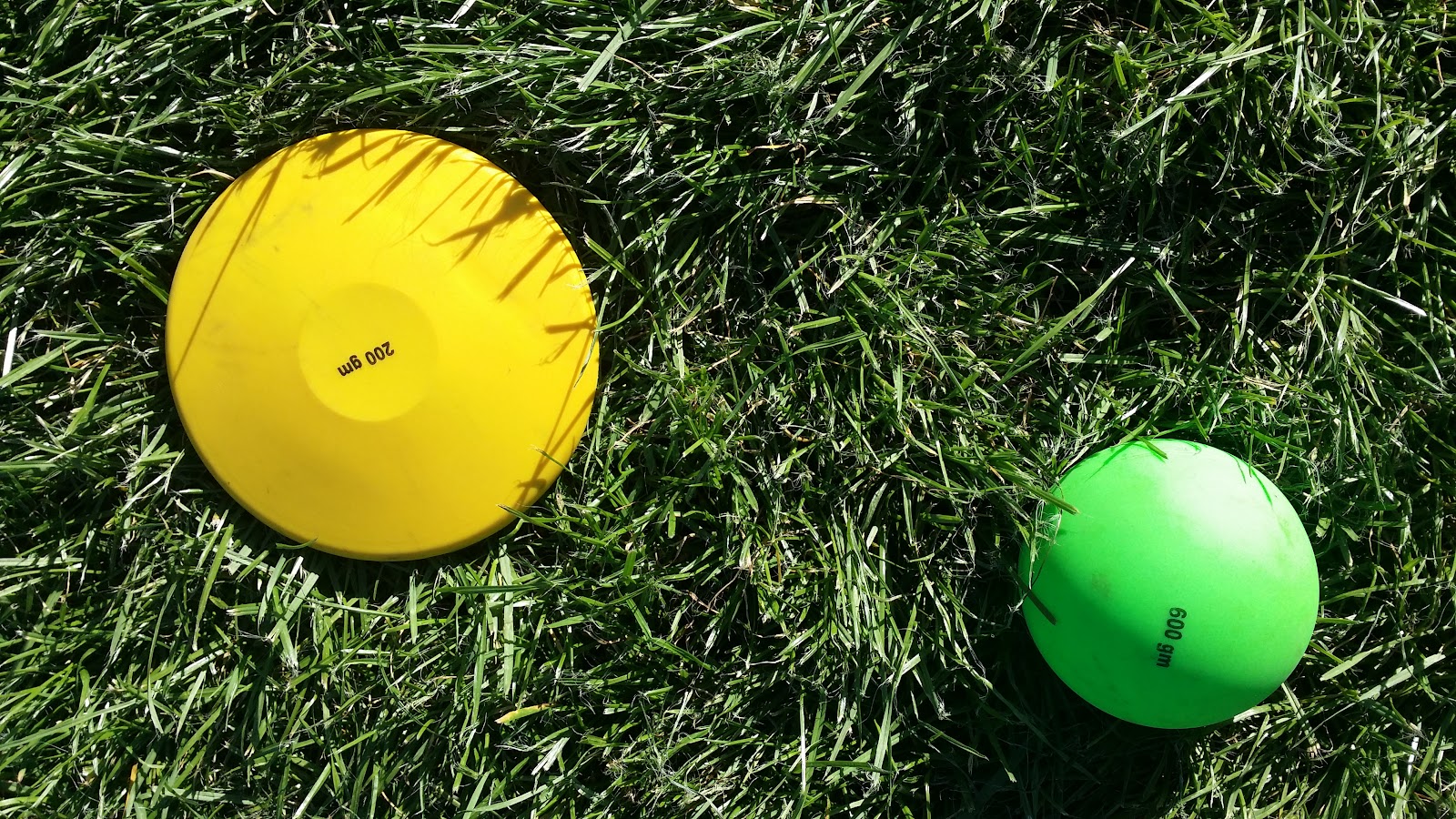
Discus


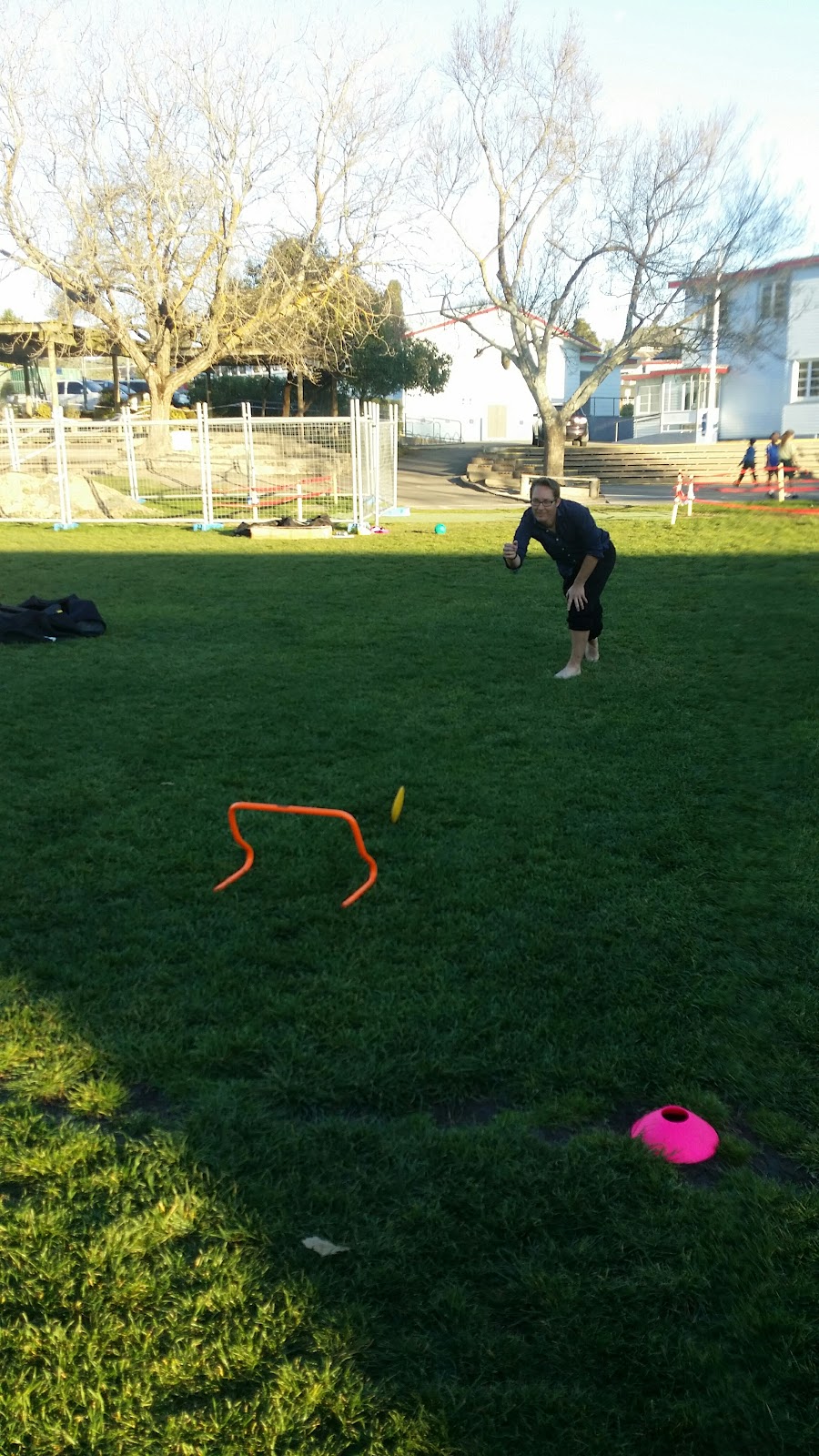
Roll discus along ground.
Needs to roll forward off front of hand.
Get the discus through hurdle


Set up obstacles .. under or over or round.. cones they need to knock down.


No beak grip.


Swinging hand bag.. don't use your thumb to grip it.


Chin, knee, toe.. chest up.


Rotation.. spinning.
T.. let it go when t faces front. Hio first knee then shoulder.


Javlin


Palm up, arm up palm up throw and extend. Elbow to front.
Keep arm straight then bring it round and throw.
Foam javlins or vortex are good to use.


Last years PD….
Thursday 13th October 2016


Running:


Get them to try running in different ways. Like a snake zig zagging, like a monkey with arms
hanging low and like an elephant with heavy feet. Then it'll come to what works best.
Fast light feet, arms 90deg and pumping, head looking forward.


Good idea to put cones past the finish line and tell the kids not to stop until then.


Get the kids to start on their tummies, knees or facing the other way listening for the starter.
Works on reaction time.


Long jump:


Run up is the child's age.. as long as there is a long number eg 8+1 is nine steps.
That way they jump off with the same leg they start with.


Skipping ropes all 1m apart.. extension move some around to different widths and then
finally add boulders (hurdles).


Maximise how many kids jumping by using the pit width ways with a limited run up eg 5 steps.


Older kids use skipping ropes too but challenged eg can you jump your height and they
move the ropes to suit.


High jump:


Scissor jump. Toes up (to the sky), bend knee, arms up high, both feet same height.


Skipping rope again. Leg closest to rope goes over first over the line. Try both ways.


Have both junior and normal high jump out for training that way those that are good can
practice and those that aren't can still try.


Can also have kids holding skipping ropes.


If you can't scissors up to your armpits your not ready to frozbee. Use small mats with the
scissor so they get correct technique.
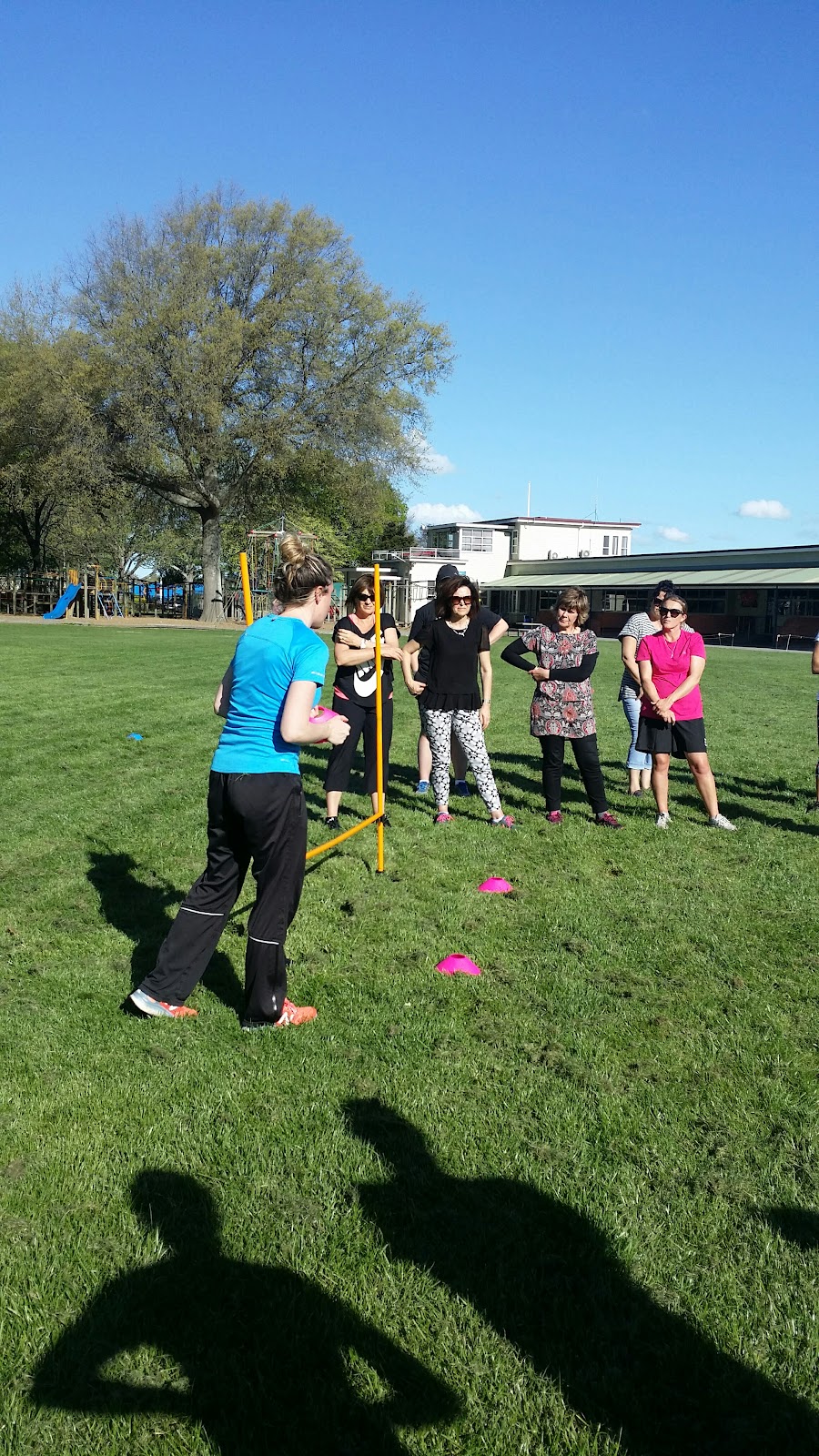


Shot put:


Always start with a bigger ball.
In pairs or threes roll the ball pushing your elbows out. Hands like a diamond then push.


Now try with height.


Then turn body side on and turn and then push ball from one side.
Nose to knee..


Get the children to drop the shot then pick it up. That's how they throw it. In the tips of fingers.


Fingers to neck, chin knee toe, whats the time mr wolf, push it high. (Dirty fingers and dirty neck).


No one throws until told to push it high. No one goes to collect until told and next thrower goes to collect.


Then introduce hoops and get kids to try get the shot in hoops.


The hoops encourage height and technique. Technique rather than distance.
Everyone has the same target, keeps the balls faster and lesson moving.


Discus:
Swing discus in hand by your side.


Show them the end product with the swing then pet them roll the discus.


Set up a course with 2 cones at random and the kids have to go around the course rolling the discus.
See how many rolls it takes.


Make sure it comes out the front not back of hand.


Tee, chin knee toe, when tee faces front let go.


One, two (prac swings), low to high watch it fly.
Goes to the right ots let go to early. To the left too late.


Use a hula hoop and high jump pole and get the kids to get the hoop over the pole.

Can at last option use duck beak but it is wrong technique with letting it out out the back of hand.

Wednesday, 26 September 2018

Agile and servant - Leadership - week 10

Agile Teams are Self-Organising Teams
Peha’s (2011) version of the 12 principles of the agile manifesto reinterprets the last two as follows:
  • The best ideas and initiatives emerge from self-organizing teams
  • At regular intervals, teams reflect on how to become more effective, then tune and adjust their behavior accordingly
We will explore this idea using a combination of Boris Gloger’s Ball Point game (Gloger, 2008) and Mike Rother’s Kata in the Classroom (Rother, 2015).  Kata is a term from martial arts. The Improvement Kata is a repeating routine for continuous improvement. 
The following diagram of the improvement kata process is adapted from material on the katatogrow.com website.
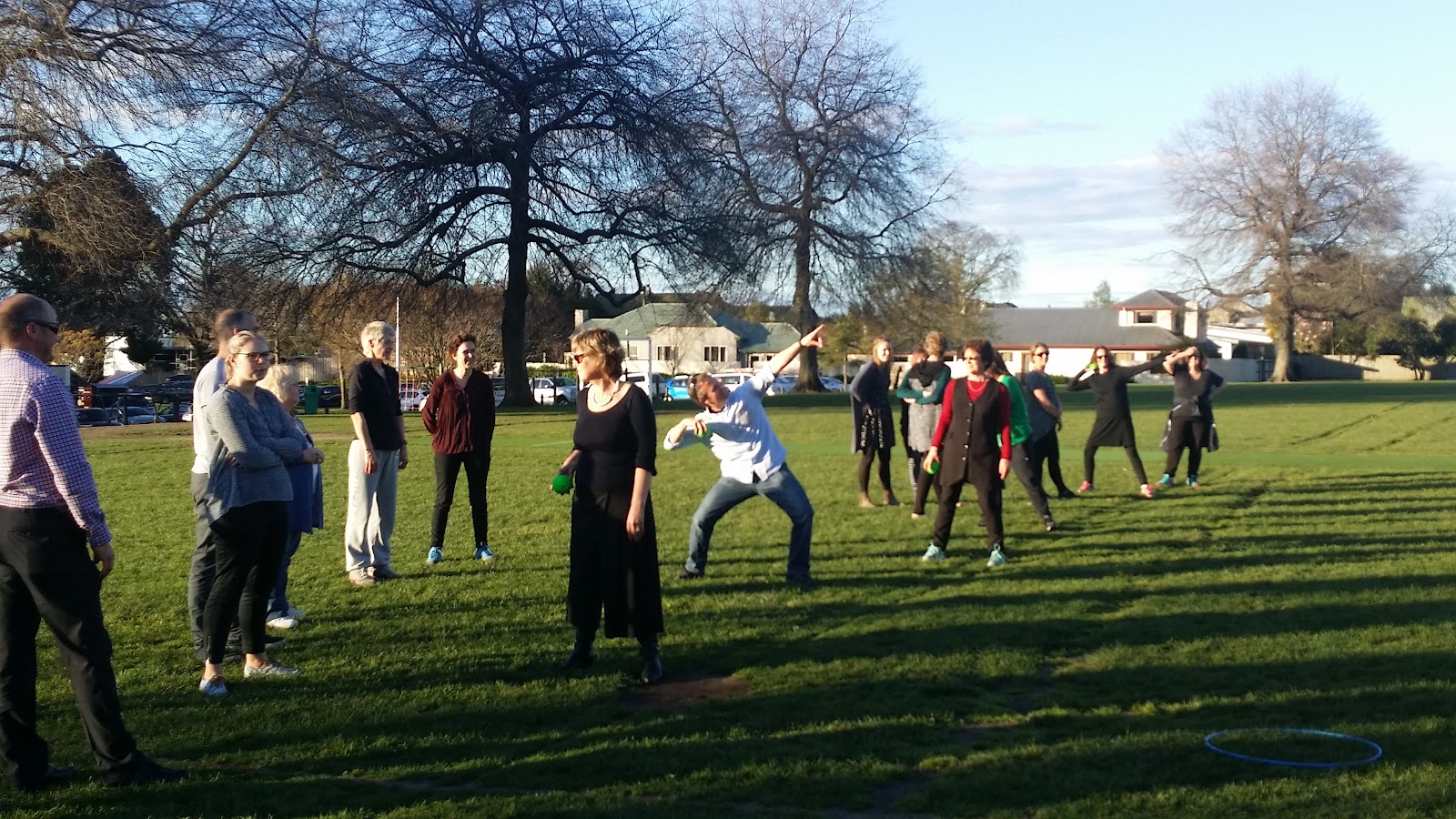
The goal of the ball point game is for each team to get as many balls as possible to pass through the hands of every team member in 2 minutes. The game involves both estimation and self-organisation. 
- You have four rounds to iterate quickly and improve by trying different strategies.
- You always have 2 minutes in between the iterations to update the scorecard and re-strategise.
The four  basic requirements of the game are that:
  1. As each ball is passed between team members, it must have air time
  2. Every team member must touch each ball for it to count
  3. No ball to your direct neighbour on either side, you must pass to your front
  4. Every ball must end where it started. For each ball that does, the team scores 1 point (make sure you count your points)
Scrum is an Agile Process
Scrum is a lightweight process framework for agile development. It is an iterative process that consists of a series of sprints that each deliver something useful. It enables teams to self-organize and collaborate, and accepts that the problem cannot be fully understood or defined up front.
In Scrum, the product backlog (of user stories) is broken down into a series of sprints. In each sprint, a priority list of stories (the sprint backlog) is chosen for completion. The sprint lasts for a certain period of time (e.g. 2 weeks, 30 days etc.). There are daily stand up meetings during the sprint, and at the end of each sprint a working increment of the software is delivered. In other words, it is only a successful sprint if it delivers something useful.
Agile Leadership Styles
Agile leadership is situational, adaptive, empowering and inspirational. The most important leadership theory applied to agile is that of servant leadership (Highsmith, 2009).
“For the Agile Leader, servanthood is the strategy. Situational actions are the tactic” (Filho, 2011).
The key characteristics of the servant leader include awareness, listening, persuasion, empathy, healing, and coaching. Situational leadership means that the servant leader may act as a democratic leader, a laissez-faire leader, or an autocratic leader in different situations (Koganti, 2014).
Servant Leadership
The originator of the servant leadership concept (though inspired by a Herman Hesse story) was Robert Greenleaf. “The servant­ leader is servant first... It begins with the natural feeling that one wants to serve, to serve first. Then conscious choice brings one to aspire to lead.” (Greenleaf, 1970). A longer extract from this work, which was this week's flipped preparation activity, is in this week's media
Teachers as Servant Leaders
Servant leadership has been applied by a number of authors to teaching. “The teacher as servant leader functions as a trailblazer for those served by removing obstacles that stand in their path. Part of unleashing another’s talents is helping individuals discover latent, unformed interests. Art, music, and science teachers are prime examples of educators whose genius lies in leading students to discover unarticulated interests.” (Bowman, 2005).
Ten Characteristics of a Servant Leader
  1. Listening
  2. Empathy
  3. Healing
  4. Awareness
  5. Persuasion
  6. Conceptualization
  7. Foresight
  8. Stewardship
  9. Commitment to Growth of People
  10. Building Community
These characteristics, that come from Northouse (2013), are outlined in a blog post by Penn State (2013).
You may find this Servant Leadership in Teachers tinyurl.com/TMLServantTeacher blogpost a helpful source to create a story card in the Trello board's learning backlog.
This Week’s Software
We will be using Trello for one of the activities in this week’s session. One of the flipped preparation activities is to set up an account and familiarise yourself with this tool in advance. Please take a look at the Trello 101 guide before the session.
Mindset of an Agile Leader - The best always want to get better

Agile Methods
The Agile movement proposes alternatives to traditional project management. Agile approaches, such as Scrum and eXtreme programming  were designed for the software development to help businesses respond to unpredictability. Aspects of Lean production (from the Toyota Production System) are also increasingly utilised by agile practitioners, for example Kanban boards, where limiting the number of current work items enhances workflow. Kanban's 'pull' model makes the flow of work visible across the team. In software development, 'Scrumban' is a popular fusion of Scrum and Kanban.
Nowadays Agile and Lean practices are used in industries outside of manufacturing and software development. Agile is recognized more generally now as simply a great way of getting things done in rapidly changing and highly unpredictable situations.
Agile and Lean Ideas in Learning
In this week's classes we ponder what Agile and Lean methods can offer to the education sector. Even though Agile was developed within the software industry, and lean in car manufacturing, the link is that they are fundamentally about learning, people, and change. Many are amazed at how easily Agile and Lean ideas translate into education, and how perfectly-suited they are, for example, to running schools.
Whakataukī
Ka pū te ruha, ka hao te rangatahi
As an old net withers another is remade
Related Standards for the Teaching Profession
Learning Focused Culture
Develop learning-focused relationships with learners, enabling them to be active participants in the process of learning, sharing ownership and responsibility for learning.
He ahurea akoranga
Me whakawhanake i te whanaungatanga i roto i ngā mahi ako i te taha o ngā ākonga, e āhei ai rātou ki ngā mahi hihiri i roto i te tukanga akoranga, me te whai mana whai haepapa mō ā rātou mahi akoranga.